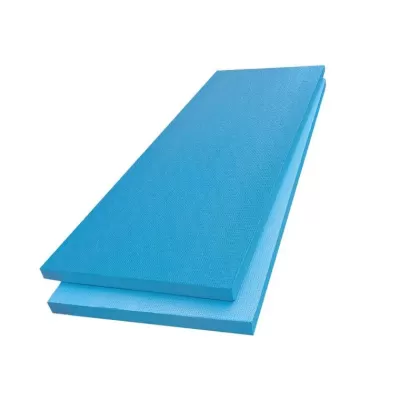
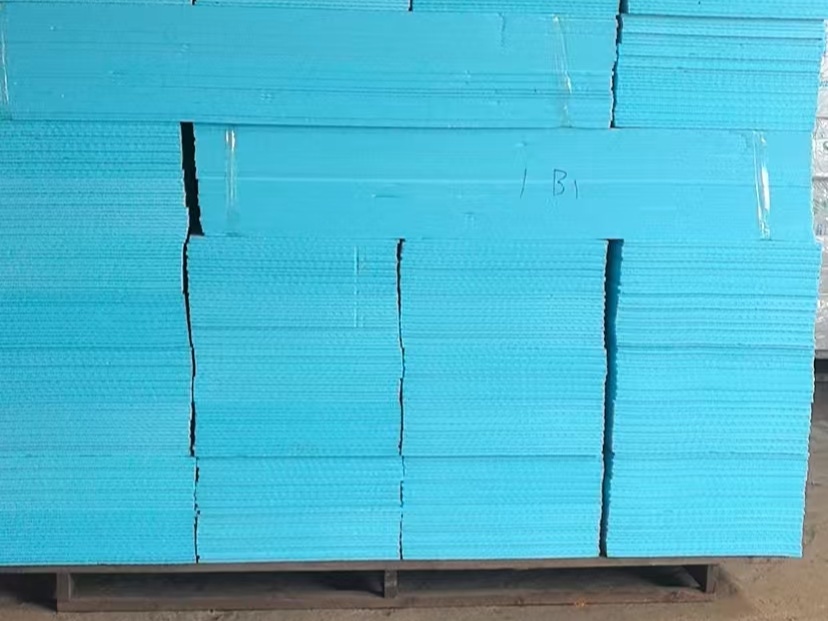
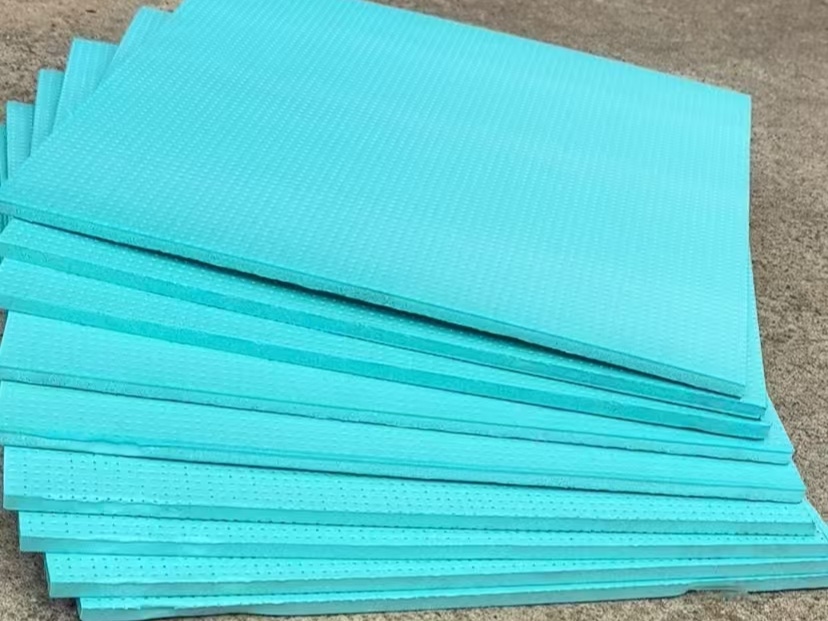
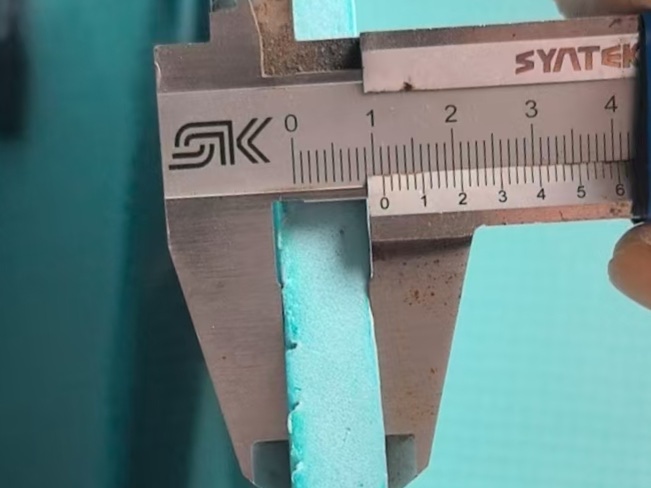
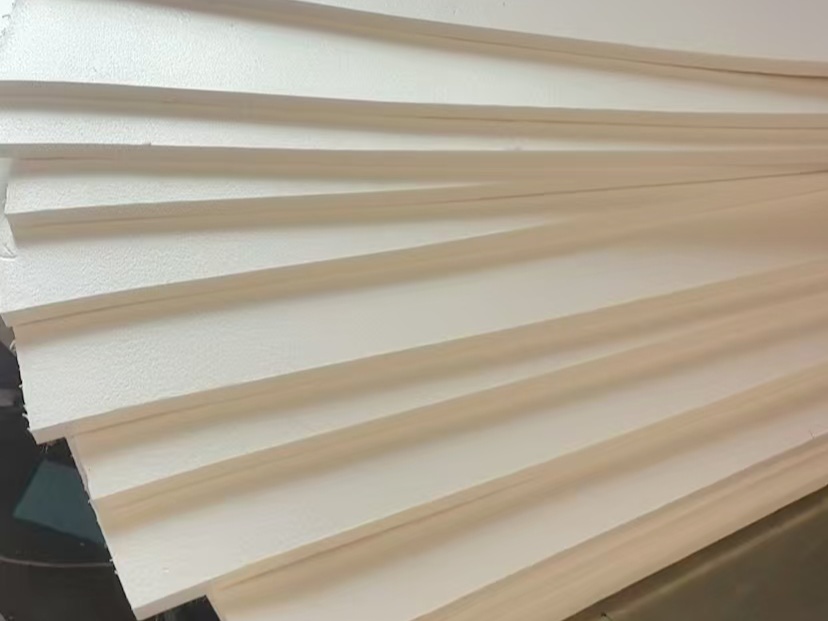
Ultra-Thin XPS Insulation Board
Custom thin-profile closed-cell XPS foam board for walls, floors, underfloor heating and space-limited insulation assemblies
Product Overview
Ultra-Thin XPS Insulation Board is a rigid closed-cell extruded polystyrene foam board designed for construction assemblies where installation depth is limited. The uniform cellular structure provides dependable thermal insulation, low water absorption and dimensional stability while keeping the board easy to cut and install. Thin thicknesses, board dimensions, density, surface treatment and edge profiles can be customized for project and wholesale requirements.
Key Features
- Thin-profile construction for space-limited insulation assemblies.
- Closed-cell structure with stable thermal performance.
- Low water absorption for moisture-prone applications.
- Compressive grades available for different load requirements.
- B1 and B2 fire-performance options available.
- Custom thickness, dimensions, surface and edge profiles.
Technical Specifications
| Property | Available Specification |
|---|---|
| Material | Extruded polystyrene (XPS) rigid foam |
| Thermal Conductivity | ≤0.030 W/(m·K) |
| Dimensional Stability | ≤1.5% |
| Compressive Strength | 150–700 kPa |
| Tensile Strength | ≥0.2 MPa |
| Water Absorption | ≤1.5% |
| Fire Performance | B1 or B2 options available |
| Density | 22–40 kg/m³ |
| Dimensions | Length, width and thickness can be customized |
Applications
- Exterior and interior wall insulation
- Passive-house and ultra-low-energy building envelopes
- Roof, floor and underfloor-heating insulation
- Basement, foundation and below-grade insulation
- Cold-storage walls, roofs and floors
- Prefabricated panels and composite insulation cores
- Road, railway and frost-protection projects
Customization and Supply
Board length, width, thickness, density, compressive grade, fire-performance option, surface texture, edge profile, color, labeling and export packaging can be customized. Send the target application, required dimensions, performance requirements, estimated quantity and destination market for a project-specific quotation.
Quality Control
Production uses controlled extrusion and a CO2 closed-cell foaming process. Routine inspection can cover dimensions, density, surface condition, edge quality, compressive performance, identification and packaging. Final specifications and documentation should be confirmed before mass production.
You Might Also Like
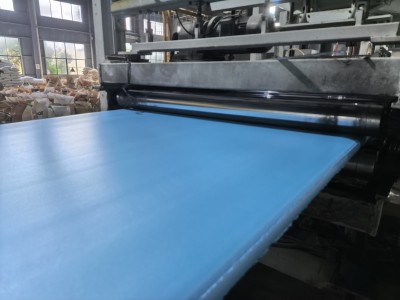
Passive House XPS Insulation Board
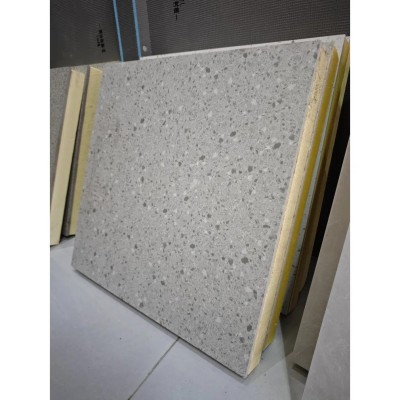
Alkali-Resistant Anti-Mildew XPS Tile Backer Board for Aquatic Facilities
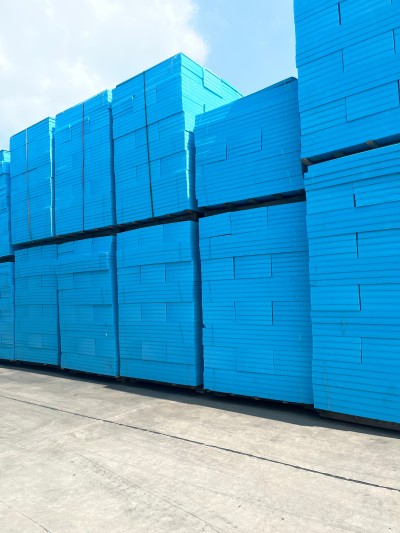
Passive House XPS Insulation Board
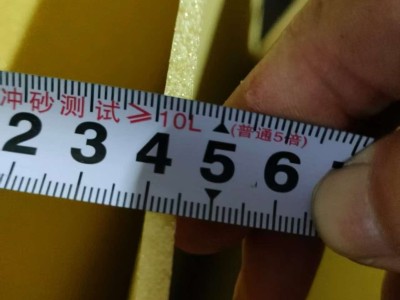
Ultra-Thin XPS Insulation Board
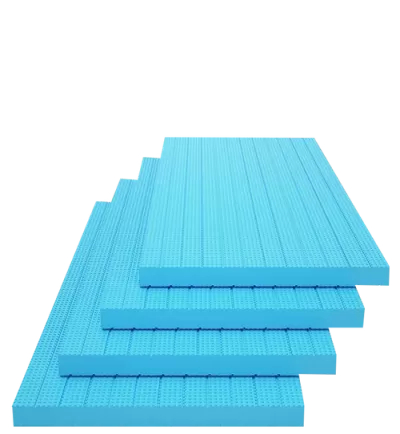
Wholesale XPS Insulation Board for Office Building Exterior Works
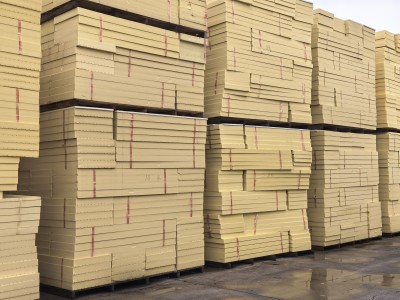
UV-Protected Climate-Resistant XPS Insulation Board for Residential Construction

XPS extruded polystyrene board roof and wall insulation and heat insulation