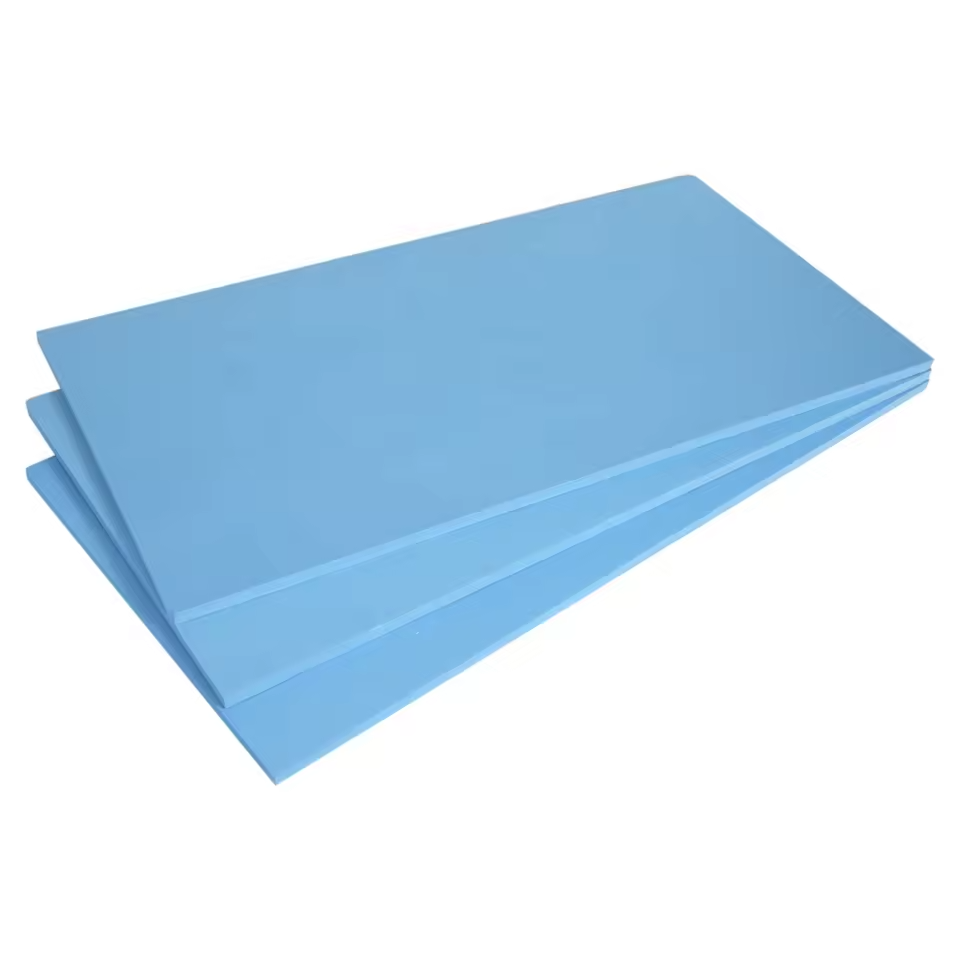
Passive House XPS Insulation Board
Rigid closed-cell XPS board for high-performance wall, roof, floor and below-grade insulation systems
Product Overview
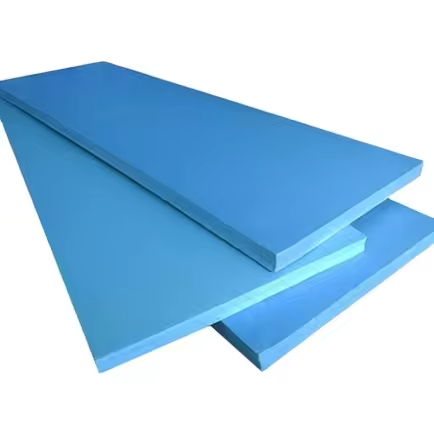
Passive House XPS Insulation Board is a rigid extruded polystyrene foam board developed for building envelopes that require continuous thermal insulation, moisture resistance and dependable compressive performance. The board is produced with a CO2-based closed-cell foaming process to form a uniform cellular structure. It can be specified for walls, roofs, floors, foundations, cold-storage projects and prefabricated insulation systems. Dimensions, thickness, density, compressive grade, surface treatment and edge profile can be selected according to the assembly design and purchasing requirements.
Key Features
- Closed-cell XPS structure helps maintain stable thermal performance in moisture-prone assemblies.
- Thermal conductivity is available at ≤0.030 W/(m·K), subject to the selected grade and test conditions.
- Compressive strength grades from 150 to 700 kPa support applications with different load requirements.
- Low water absorption helps limit insulation performance loss caused by moisture exposure.
- Good dimensional stability supports accurate installation in continuous insulation systems.
- B1 and B2 fire-performance options are available; confirm the required grade and supporting documentation before ordering.
- Length, width, thickness, density, color, edge and surface options can be customized.
Product Specifications
| Property | Available Specification |
|---|---|
| Material | Extruded polystyrene (XPS) rigid foam |
| Thermal Conductivity | ≤0.030 W/(m·K) |
| Dimensional Stability | ≤1.5% |
| Compressive Strength | 150–700 kPa, grade selected by application |
| Tensile Strength | ≥0.2 MPa |
| Water Absorption | ≤1.5% |
| Density | 22–40 kg/m³ |
| Fire Performance | B1 or B2 options available |
| Dimensions | Custom length, width and thickness available |
| Color / Surface / Edge | Custom options available |
Values depend on the final product grade, dimensions and test method. Contact us for a specification sheet matched to your project.
Applications
- Wall insulation: exterior insulation systems, interior wall assemblies, passive-house and ultra-low-energy buildings, and cold-storage walls.
- Below-grade insulation: basement walls, foundations, soil protection and lightweight fill applications.
- Roof insulation: inverted and conventional concrete roofs, cold-storage roofs, and steel-structure roofing systems.
- Floor insulation: radiant-floor assemblies, cold-room floors, plazas, platforms and load-bearing floor systems.
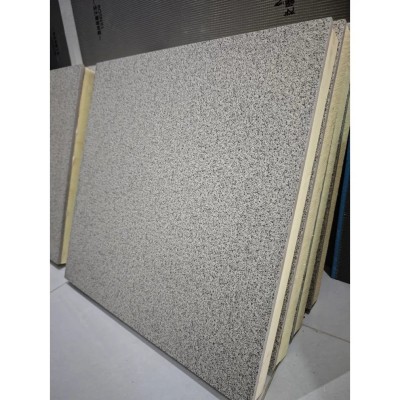
- Composite cores: prefabricated wall panels, decorative insulation panels, dry underfloor-heating modules and refrigerated vehicle bodies.
- Infrastructure: road and railway frost protection, ballastless track systems, hydraulic works, channels and slope-protection projects.
Customization Options
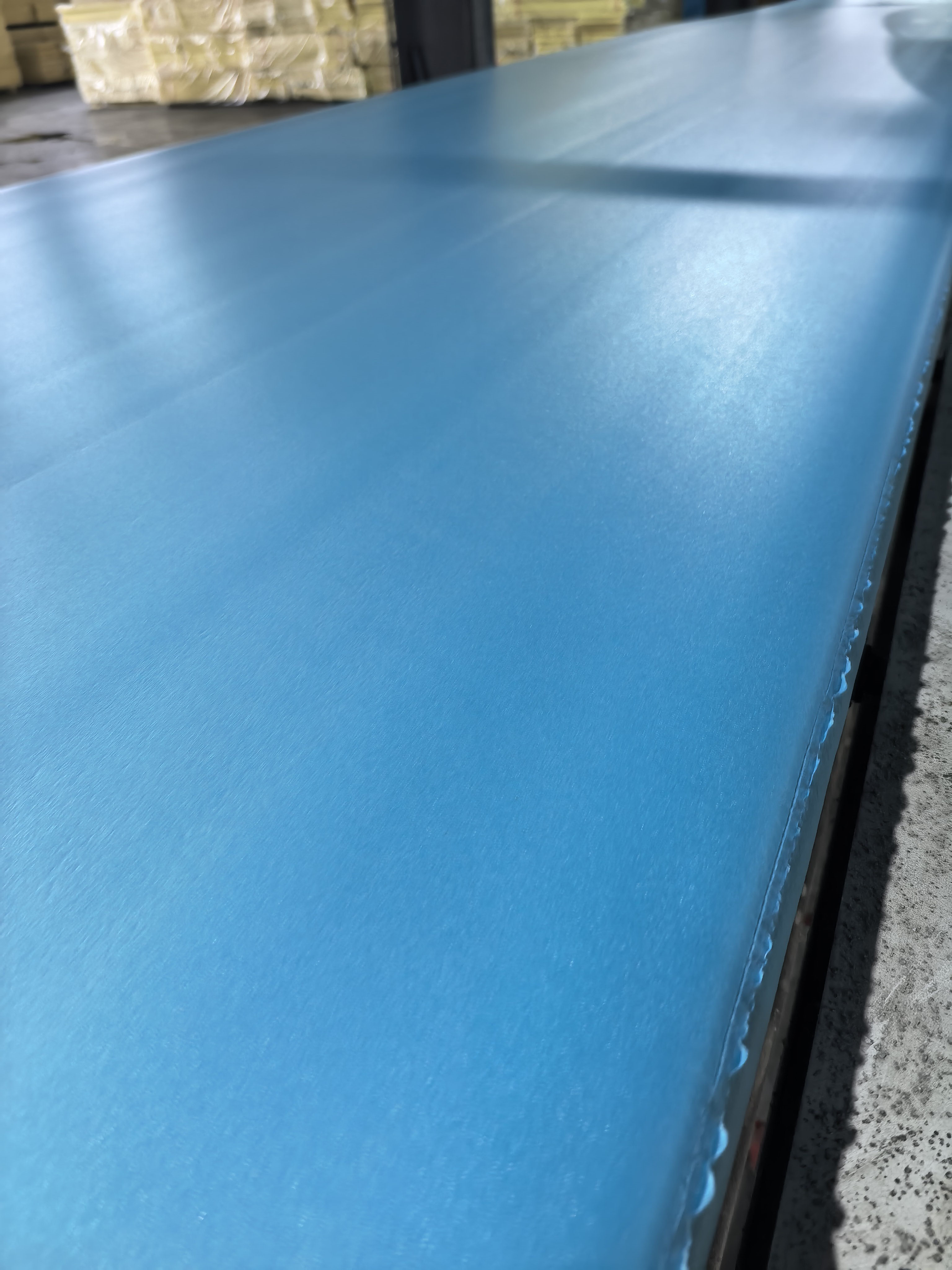
Custom options include board length, width, thickness, density, compressive grade, color, smooth or textured surfaces, straight or profiled edges, printed identification and project-specific packaging. Share the target application, required performance, drawing or sample, annual volume and destination market so the construction and packing plan can be reviewed before production.
Packaging & Shipping
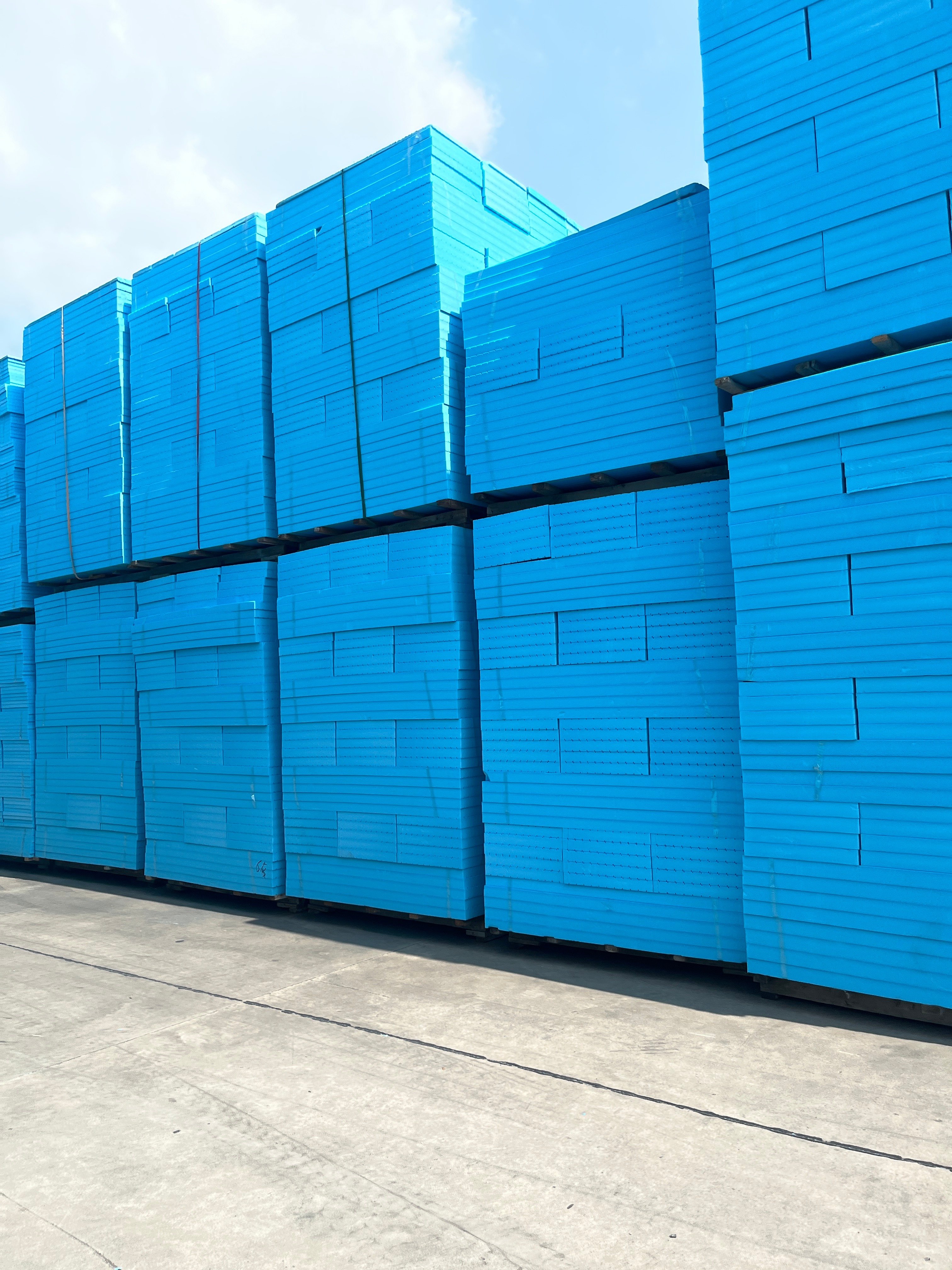
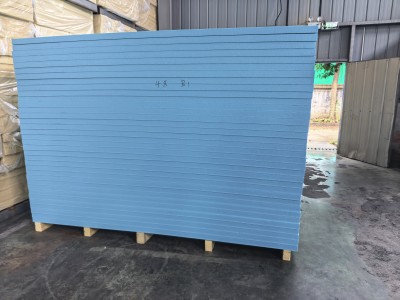
Boards can be bundled and protected with film, labels, corner protection or palletized export packing according to size and transport method. Container loading is planned around the final board dimensions and package configuration. Buyers should confirm labeling, moisture protection, pallet requirements, unloading conditions and destination-country documentation before shipment.
Manufacturing & Quality Control
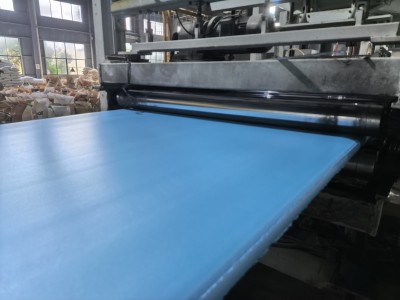
Production uses a controlled extrusion and CO2 closed-cell foaming process. Routine controls can cover raw-material verification, board dimensions, thickness, density, surface condition, edge quality, compressive performance and packing identification. Inspection scope and any required third-party testing should be agreed against the final specification before mass production.
FAQ
What thicknesses are available?
Length, width and thickness can be customized. Send the target assembly and insulation requirement for a suitable production range.
How do I select the compressive strength?
The grade should be based on the design load, installation location and safety factor. Available grades range from 150 to 700 kPa; confirm the final value in the purchase specification.
Can this board be used below grade?
It is commonly specified for basement walls, foundations and soil-contact insulation where low water absorption and compressive resistance are required. The full waterproofing and drainage assembly must be designed for the project.
Is a flame-retardant grade available?
B1 and B2 options are available. State the required standard, test method and market so the correct formulation and documentation can be reviewed.
Can you customize the surface and edge?
Yes. Smooth or treated surfaces and straight or profiled edge options can be discussed based on installation and bonding requirements.
Can samples be supplied before a bulk order?
Sample availability depends on the requested grade and dimensions. Provide the specification and destination so the sample plan and freight can be confirmed.
What information is needed for a quotation?
Please provide board dimensions, density or compressive grade, fire-performance requirement, surface and edge type, quantity, packaging, destination country and required delivery date.
How is quality checked before shipment?
Checks can include dimensions, thickness, density, appearance, edge condition, packing marks and agreed performance items. A project-specific inspection plan can be arranged before production.
Can the board be used as a core material?
Yes, it can be evaluated for prefabricated panels, integrated insulation systems, underfloor-heating modules and refrigerated bodies. Compatibility with skins, adhesives and the final assembly must be confirmed.
Request a Quote
For an accurate B2B quotation, send your application, board size and thickness, required compressive strength or density, fire grade, surface and edge preference, estimated quantity, packing requirements, destination country and target delivery schedule.
You Might Also Like

XPS extruded polystyrene board roof and wall insulation and heat insulation
Passive House XPS Insulation Board
High compressive strength extruded polystyrene board
Ultra-Thin XPS Insulation Board
UV-Protected Climate-Resistant XPS Insulation Board for Residential Construction
Wholesale XPS Insulation Board for Office Building Exterior Works
Alkali-Resistant Anti-Mildew XPS Tile Backer Board for Aquatic Facilities