Quick answer: For a private-label board order, packaging is not the last step — it is a design decision that changes freight cost, damage rate and whether your brand looks credible at the receiving dock. Bundle size, corner protection, label position and container loading plan should all be fixed before the production run starts, not negotiated at the loading bay.
Why Packaging Belongs in the Specification
Insulation boards and backer boards ship as large, light, rigid panels with a coated or laminated face. That combination creates three predictable risks: corners break, faces scuff, and bundles shift in transit. None of them are exotic. All of them are avoidable if the packing plan is designed rather than defaulted.
The commercial problem is that packaging cost is quoted per unit and damage cost appears weeks later as a claim, so the two are rarely evaluated together. A thicker film and corner protectors raise the unit price and lower the total cost. Buyers who compare quotations on board price alone are effectively choosing the cheaper pack without deciding to.
For a private-label programme the stakes are higher, because the packaging carries your brand. A scuffed bundle with a crooked label is not just damaged stock; it is your name arriving in that condition at your customer's site.
Designing the Bundle
Bundle count and weight
The number of boards per bundle is set by two limits: what a person or a small machine can handle safely, and what a pallet or a container can carry without deforming the bottom boards. Foam boards are light in volume terms but the bundle still has to be lifted, so state the handling method that will be used at destination and let the bundle count follow from it.
Protection layers
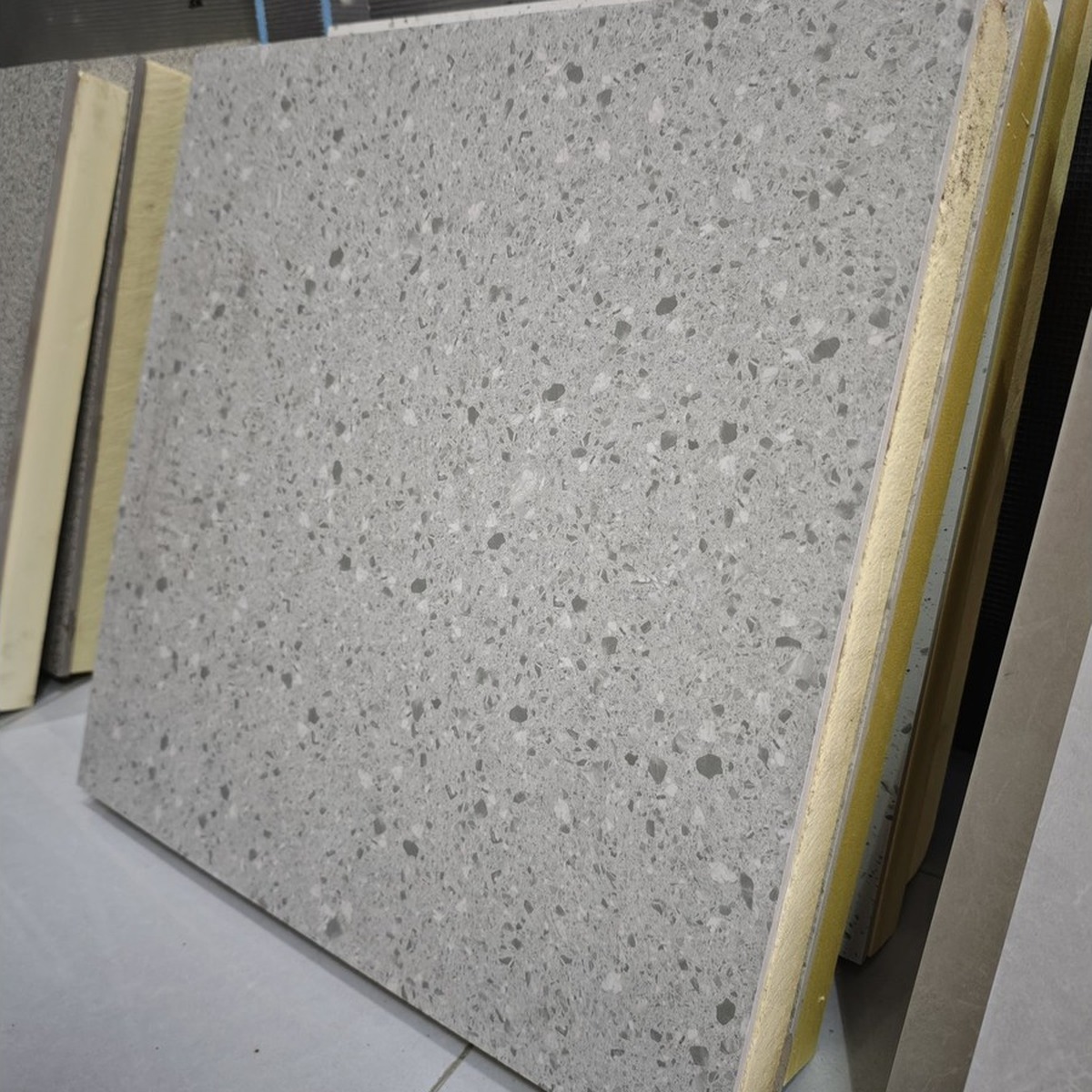
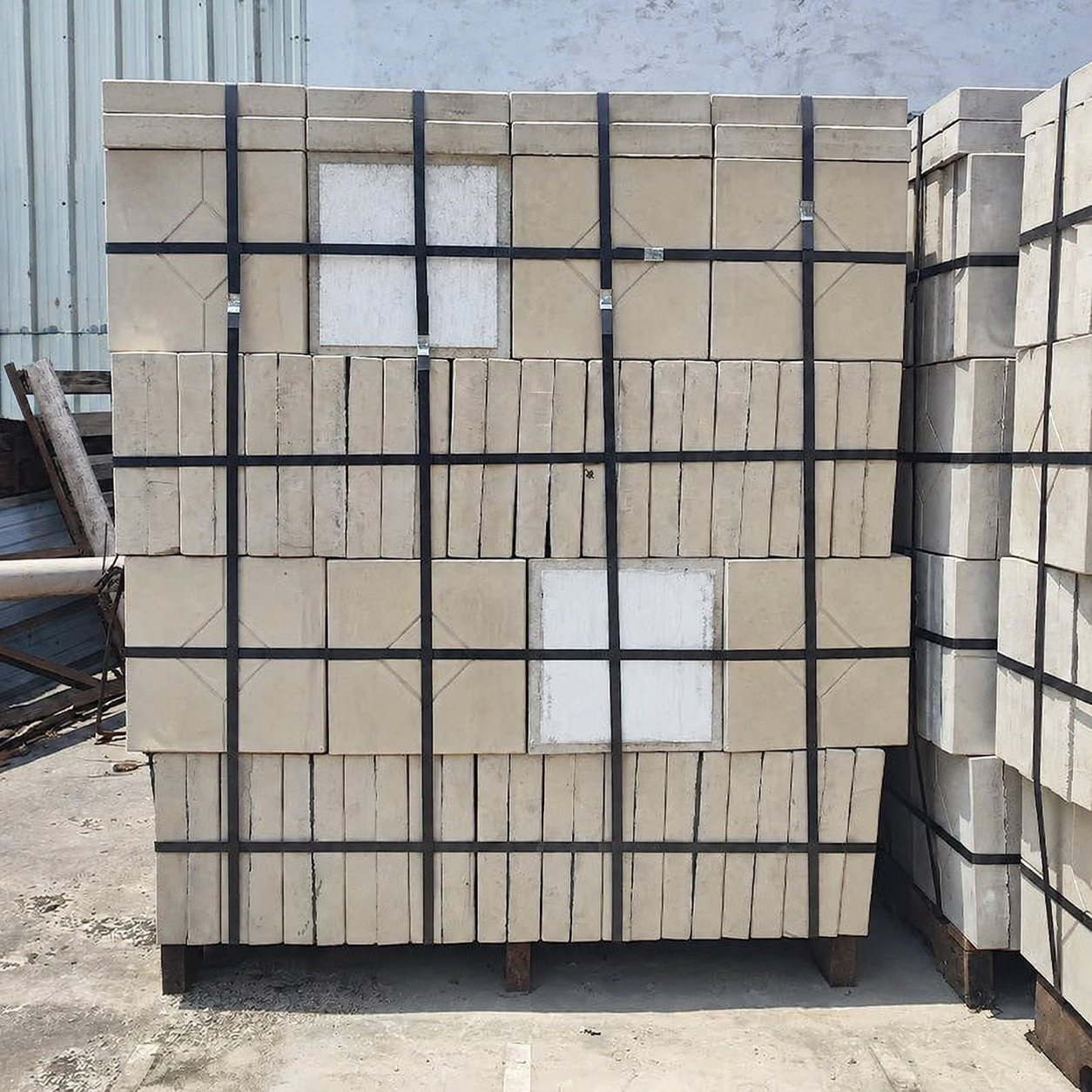
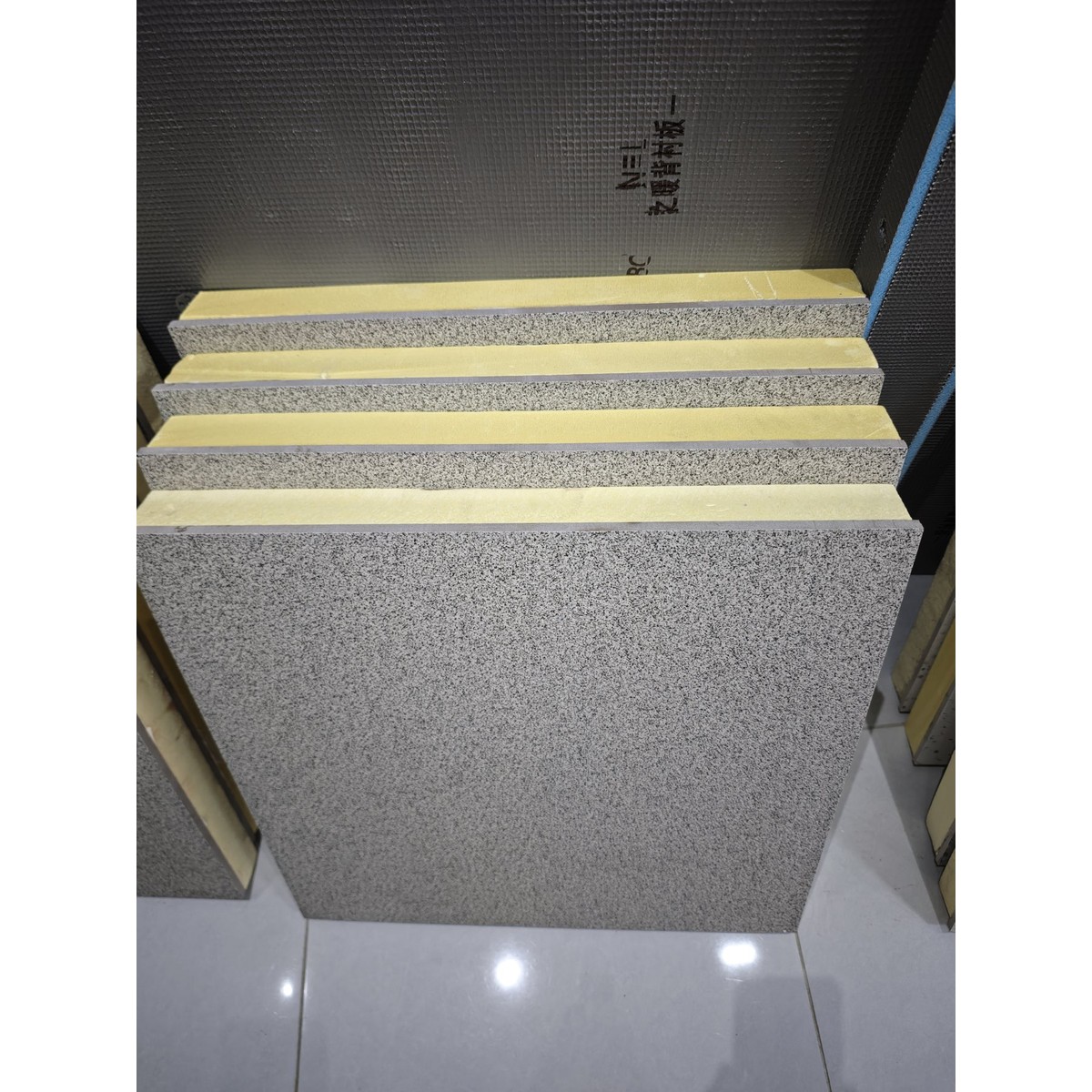
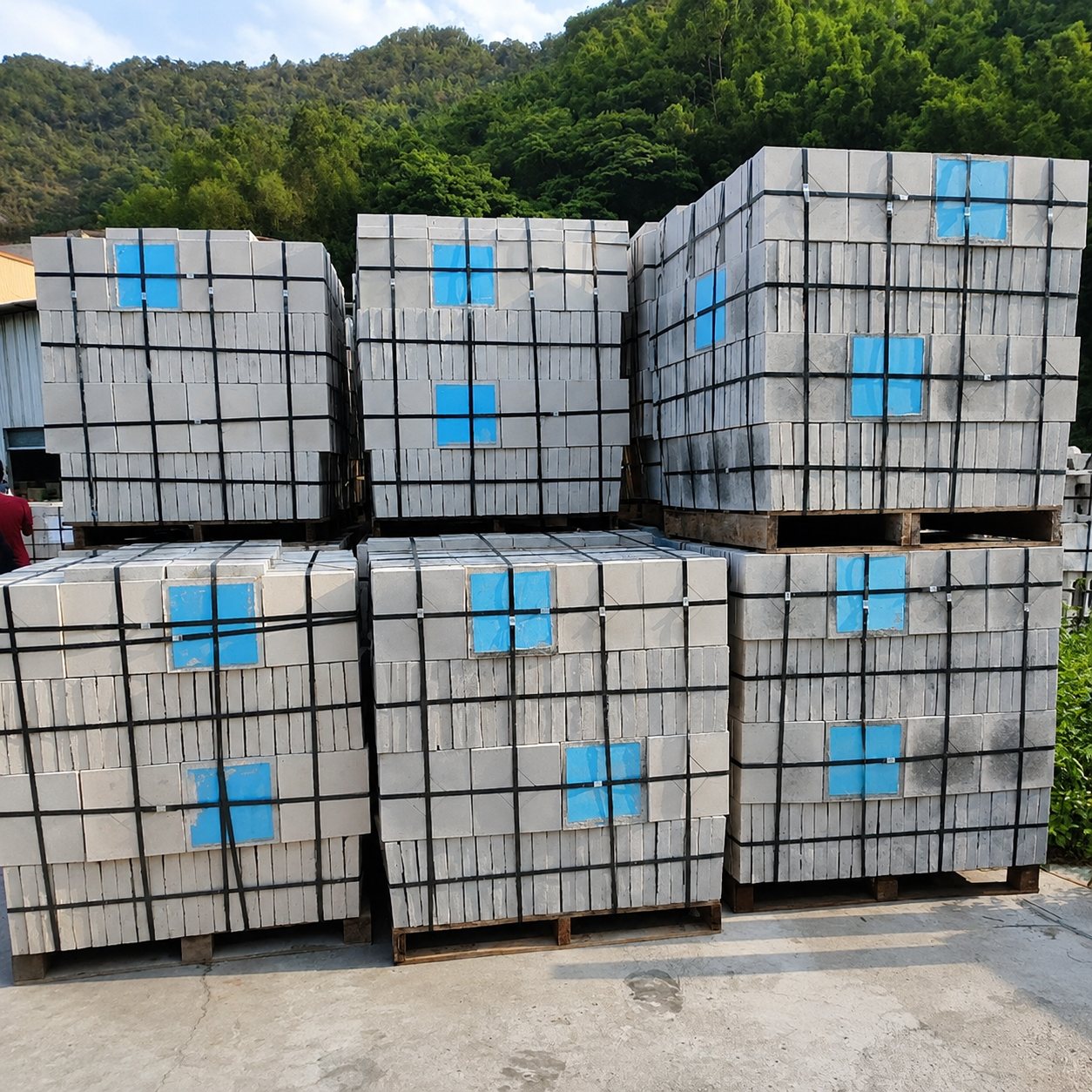
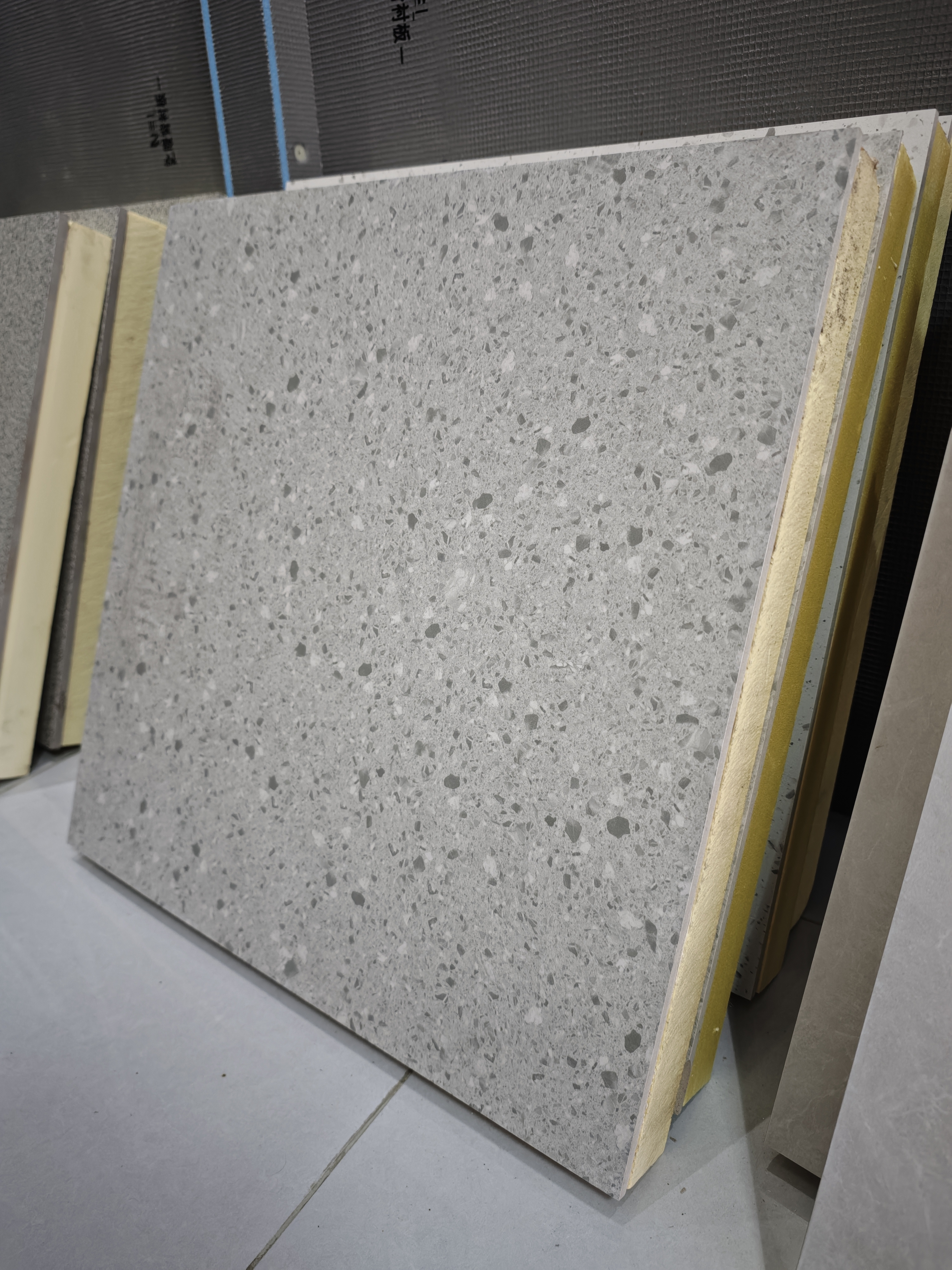
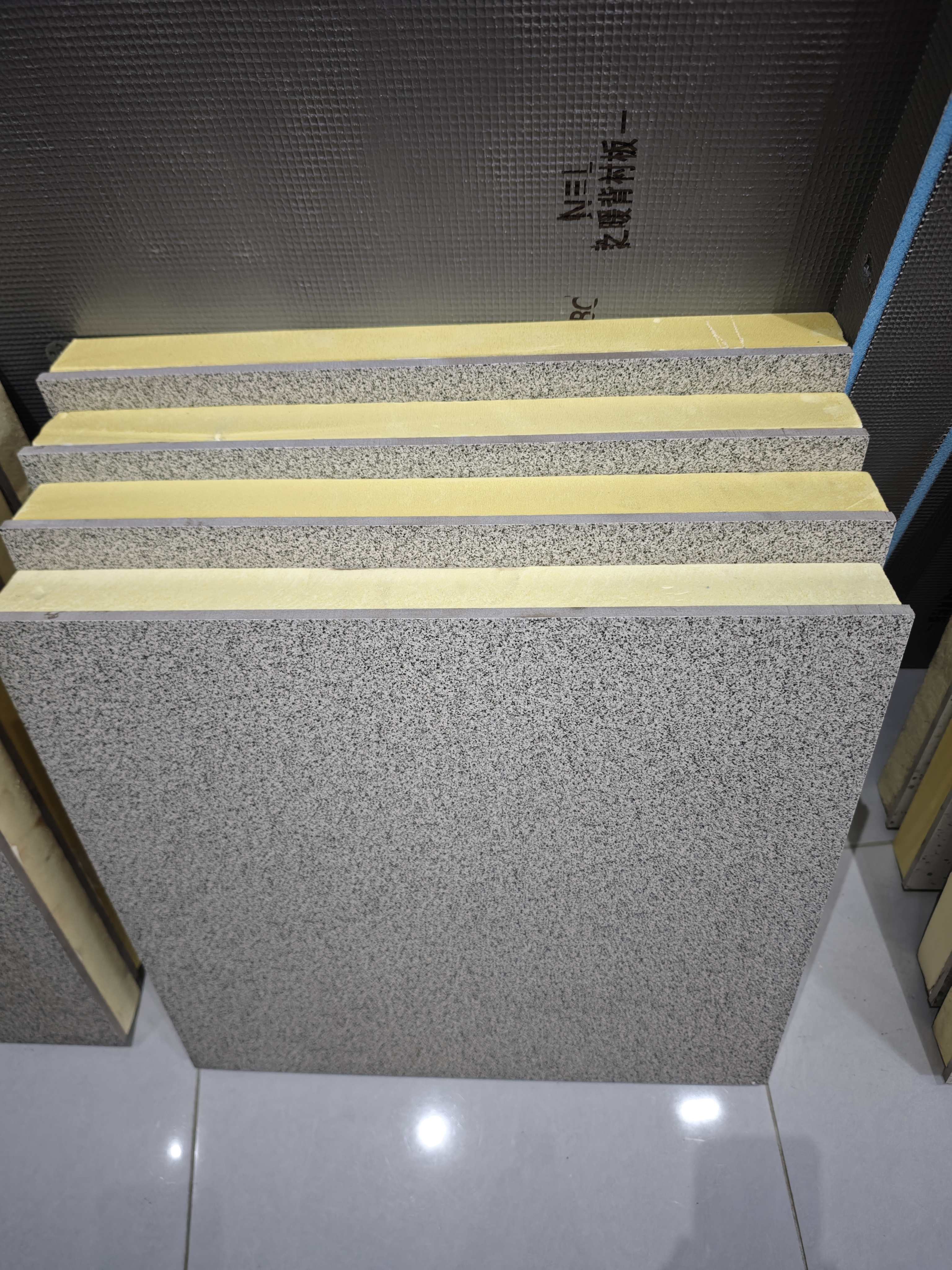
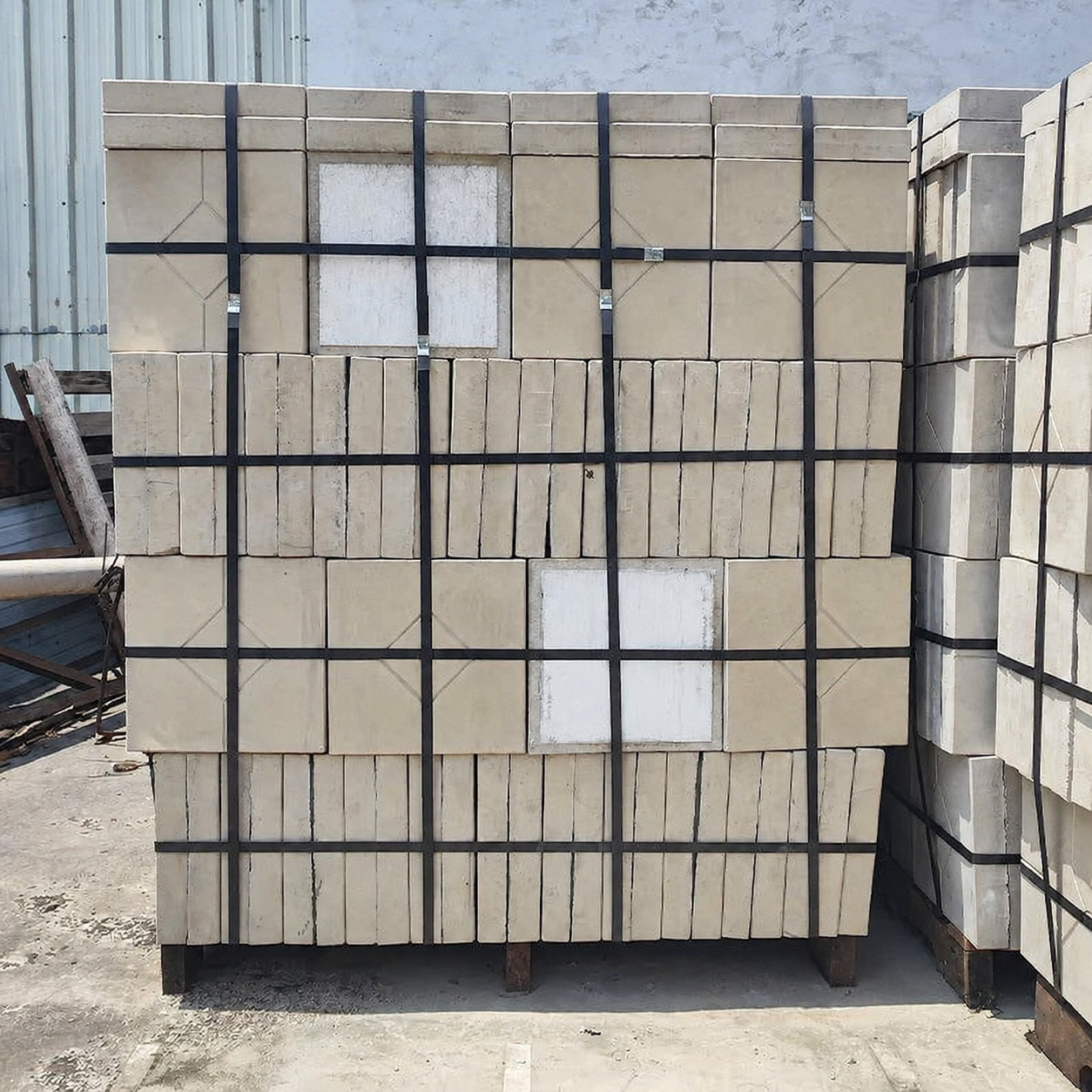
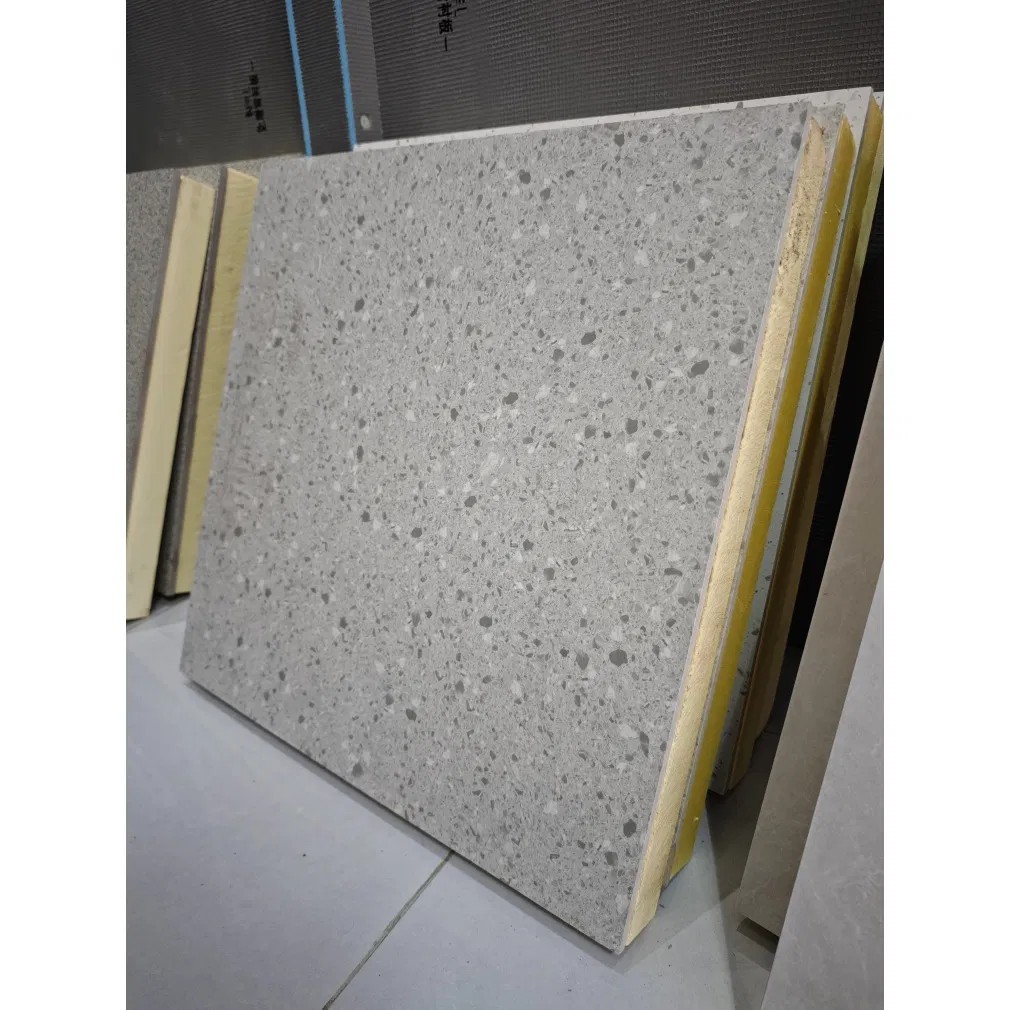
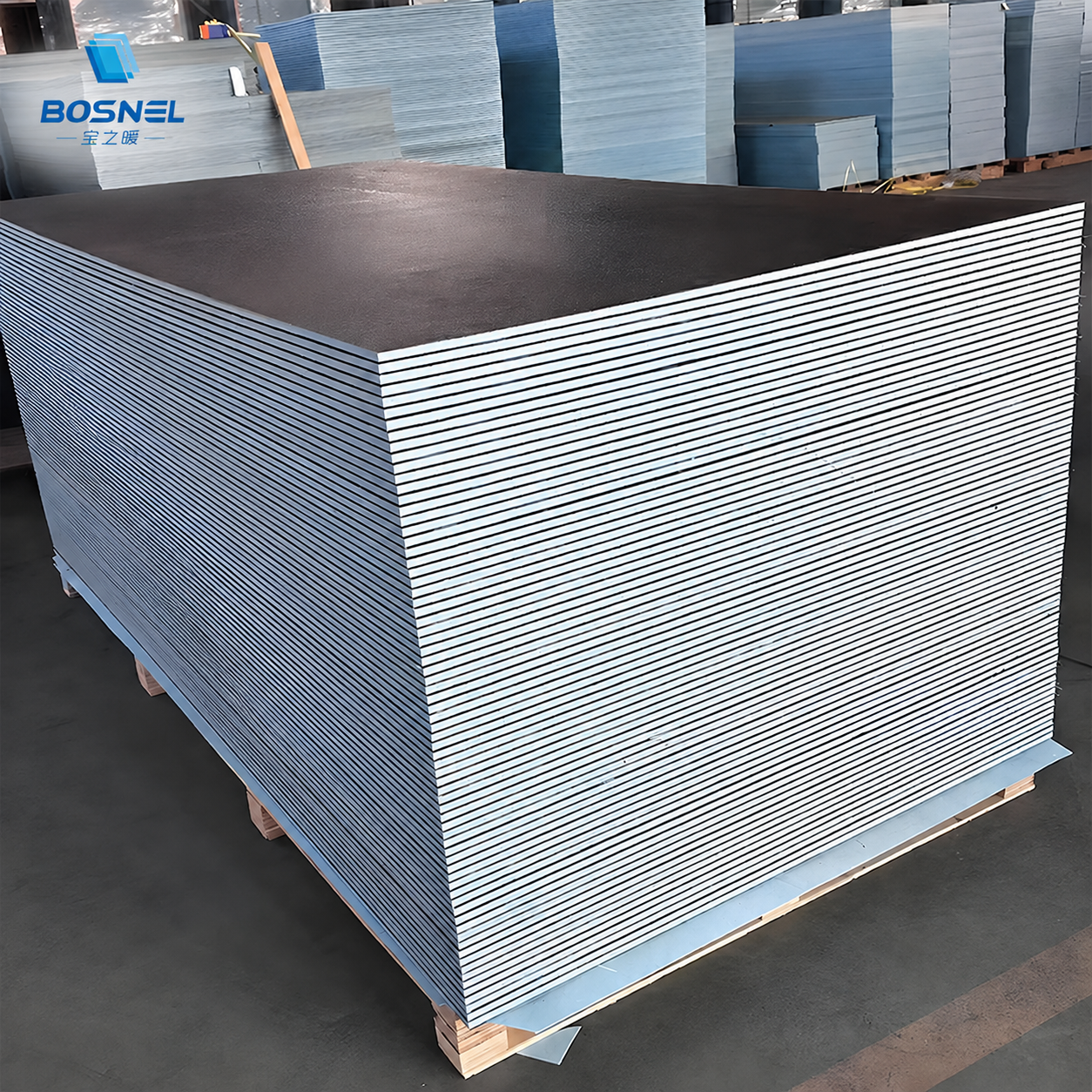
Boards can be bundled and protected with film, labels, corner protection or palletised export packing according to size and transport method. The layers serve different purposes and should be specified separately: film keeps moisture and dust off, corner protection absorbs impact at the most fragile point, edge protection keeps the bundle square, and palletisation keeps the load stable during handling.
Face protection
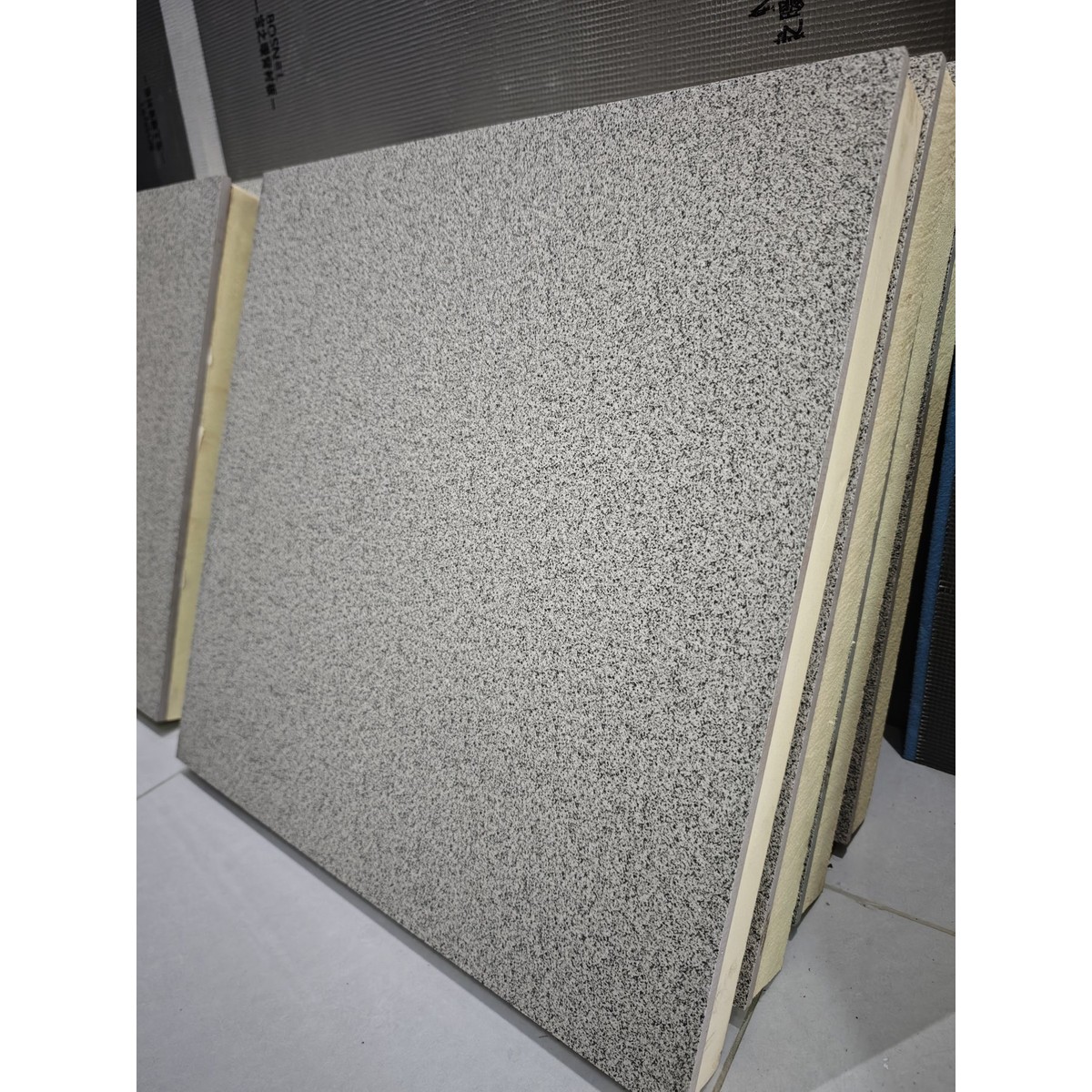
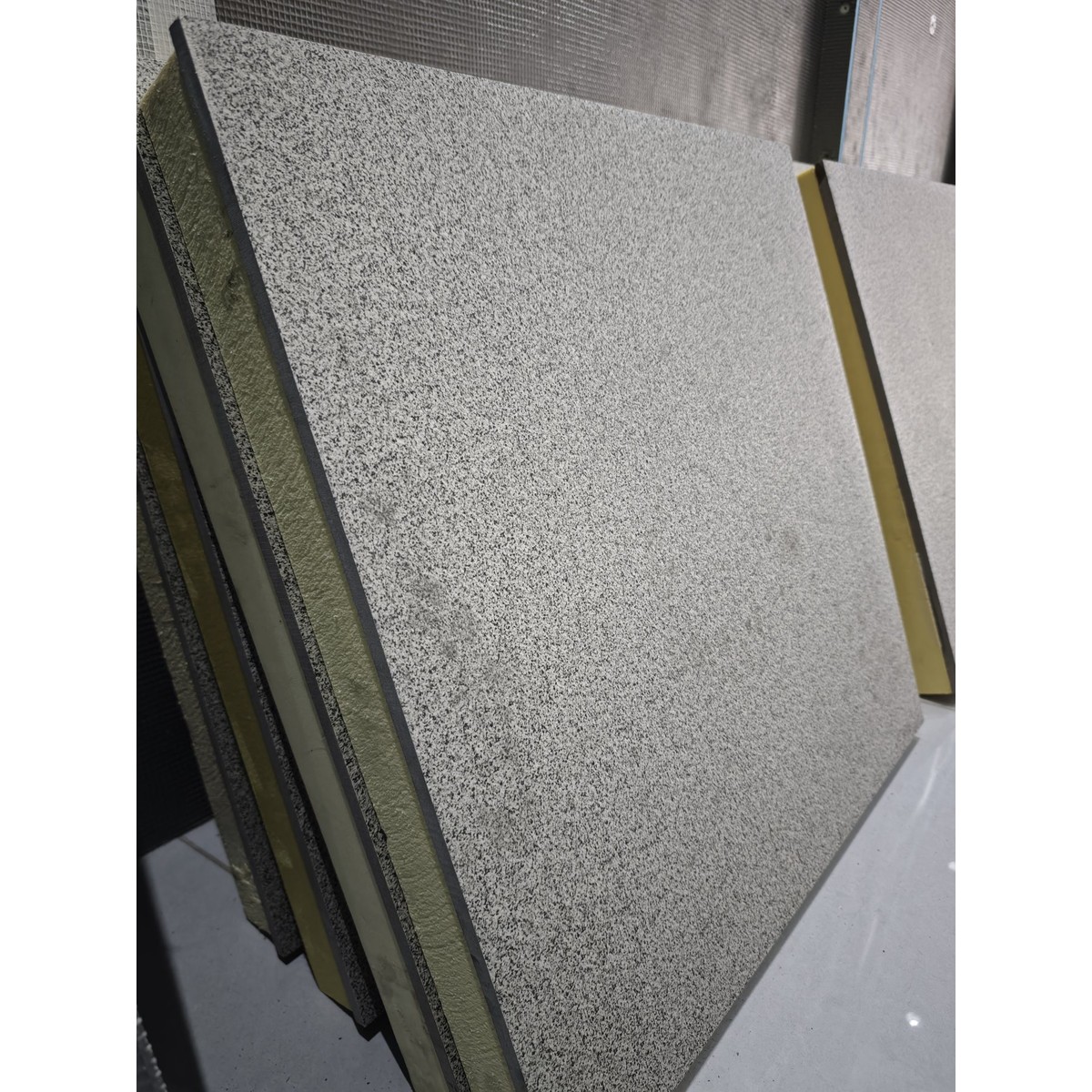
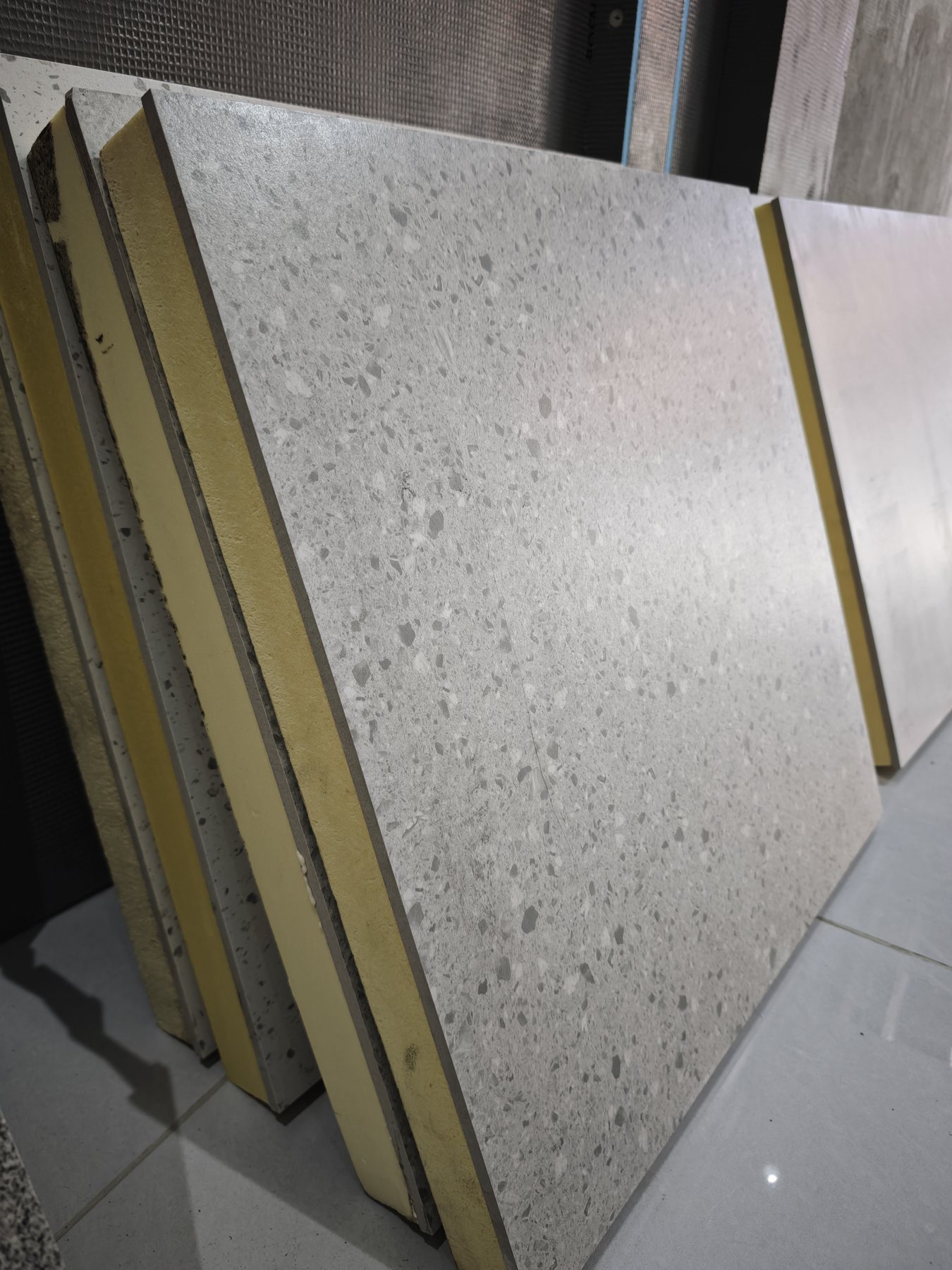
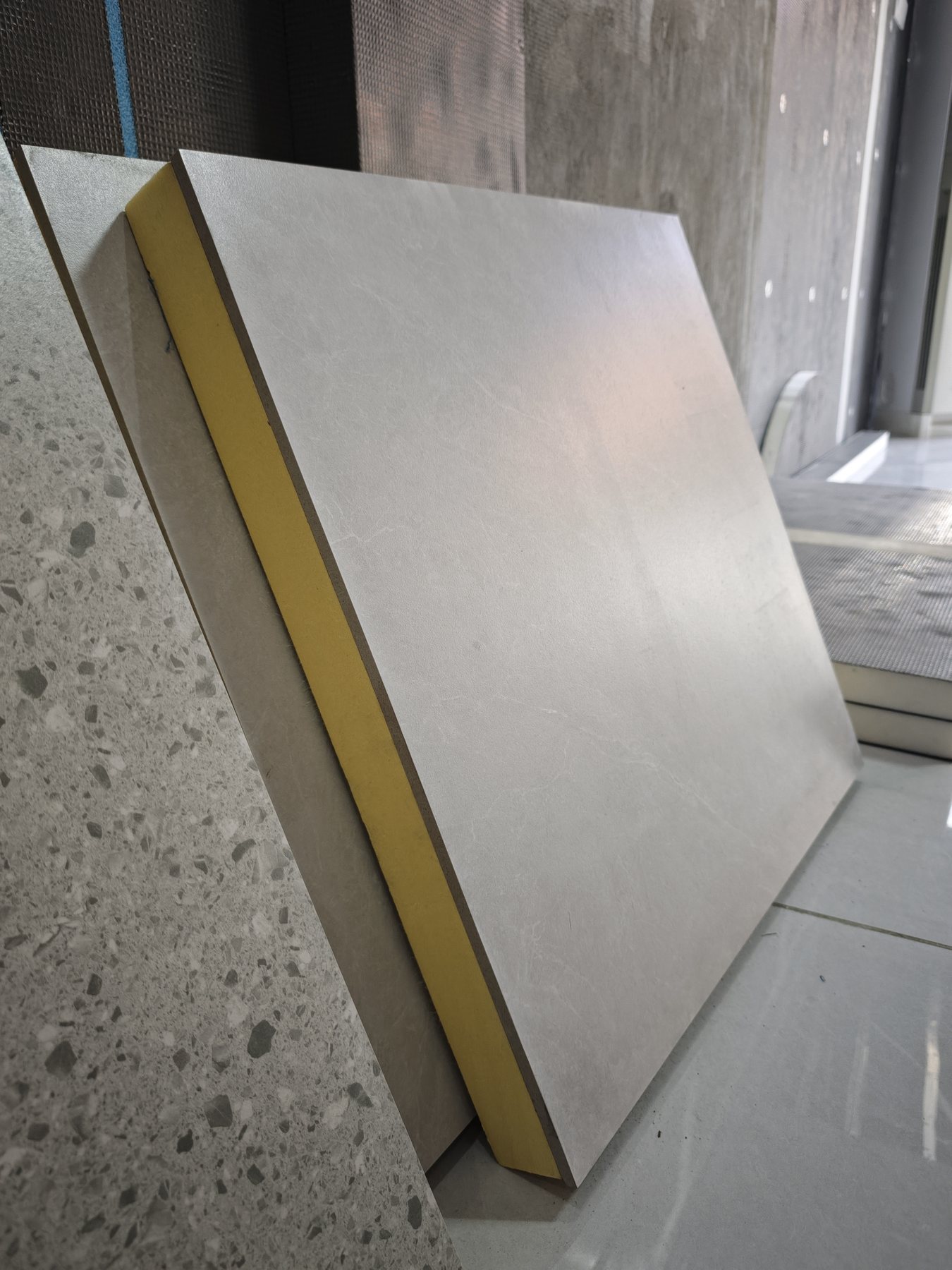
Where the board has a decorative facing or a coated surface for tile adhesion, the face needs protection that can be removed without damaging the coating. If an interleaving sheet is used, name it, because a sheet that bonds to the coating in heat is worse than no sheet at all.
Moisture and heat
XPS has low water absorption, but a container in a tropical port can still create condensation on the inner walls. Wrapping and ventilation decisions should reflect the route, not just the factory gate. If the destination involves long storage in the open, say so — it changes the packing recommendation.
Labels, Marks and Private-Label Materials
Fixed versus variable fields
Split every label field into fixed (your brand, product name, grade, dimensions) and variable (batch code, production date, quantity per bundle). Fixed fields can be printed ahead of the run; variable fields must be printed or applied per bundle. Mixing the two into a single pre-printed label is how batches end up untraceable.
Placement
Say where the label goes, on which face, and how many per bundle. A label on the face that gets scuffed in handling will not be readable on arrival; a label on the end face survives handling and is what a warehouse clerk actually scans.
Barcodes and scanning
If your distribution requires a barcode, state the symbology, the size and the quiet zone, and ask for a scan test before the run. A barcode that will not scan at the receiving dock turns an automated intake into a manual one, and the cost lands on your side of the transaction.
Documents in the box
Packing lists, certificates, installation instructions and any market-specific declaration should be specified as part of the shipment, not requested after loading. Name who supplies the artwork, who prints it and where it is placed.
Planning the Container
Loading is a calculation, not a habit
Container loading is planned around the final board dimensions and package configuration. That means the answer changes whenever the board format, bundle count or pallet height changes. A 40 ft high-cube loaded with one standard format and one bundle design is a solved problem; the same container loaded with a cut-to-size mix is not, and needs to be re-planned.
Weight before volume, or volume before weight
Insulation boards are usually volume-limited rather than weight-limited, which is good news for freight per square metre and bad news for anyone assuming the container will hit its weight limit. Check which limit you are actually hitting before negotiating freight, because it determines whether a larger format saves money or simply reduces the piece count.
Sequence and unloading
The order in which bundles are loaded determines the order in which they can be unloaded. If a project needs one thickness first, load it last. This is a one-line instruction to the loading team and a significant convenience at destination.
Loading photos and seals
Ask for photographs of the loaded container, the seal number, and the bundle labels before the doors close. This is standard practice on well-run export shipments and it is the cheapest insurance available against a dispute about what was loaded.
Buyer Checklist
- State the handling method at destination before agreeing bundle count
- Specify film, corner protection, edge protection and palletisation separately
- Name the interleaving sheet if a coated face must be protected
- Split every label field into fixed and variable
- State label placement, face and quantity per bundle
- Include barcode symbology, size and a pre-run scan test
- List every document that must travel with the shipment
- Re-check the loading plan after any format or bundle change
- Confirm whether the load is volume- or weight-limited
- Request loading photographs and the seal number before departure
Buyer FAQ
Can packaging be fully customised for a private-label order?
Custom labels, logo printing, packaging and project instructions can be discussed for qualified bulk orders. What is achievable depends on the pack format and the quantity, so confirm it with the specification.
Who pays for damage found on arrival?
That depends on the agreed delivery terms and on whether the damage was recorded at unloading. Photograph and note damage on the delivery documents before signing, and check the loading photographs against what you received.
Does a bigger bundle reduce freight cost?
Not automatically. It depends on whether the container is volume- or weight-limited, and on whether the larger bundle can still be handled safely at destination.
Can I mix several products in one container?
Yes, and it is common on project orders. Mixing means the loading plan has to account for each product's dimensions and pack configuration, so expect the plan to be re-checked rather than reused.
How should boards be stored after arrival?
Flat, on a level surface, off the ground, out of standing water and away from prolonged direct sun where the facing could be affected. Confirm the storage recommendation for your specific product with the specification sheet.
Related Baozhinuan Products
The packing principles above apply across the XPS foam board range, the waterproof backer board range and the tile backer board range. Boards laminated into a panel need extra face protection, so see the XPS integrated insulated tile board and the XPS insulated tile composite panel. For factory-side preparation, read how Baozhinuan prepares insulation boards for bulk shipping.
Request a Packing and Loading Plan
Send the product and grade, board dimensions, bundle preference, label artwork status, quantity, destination port and delivery window. Baozhinuan will propose a bundle and container configuration and identify which packaging details need to be confirmed before production.
Submit Your RFQReference resources: U.S. Department of Energy insulation guidance, ISO standards information and U.S. OSHA. Project requirements should be verified using current official sources.