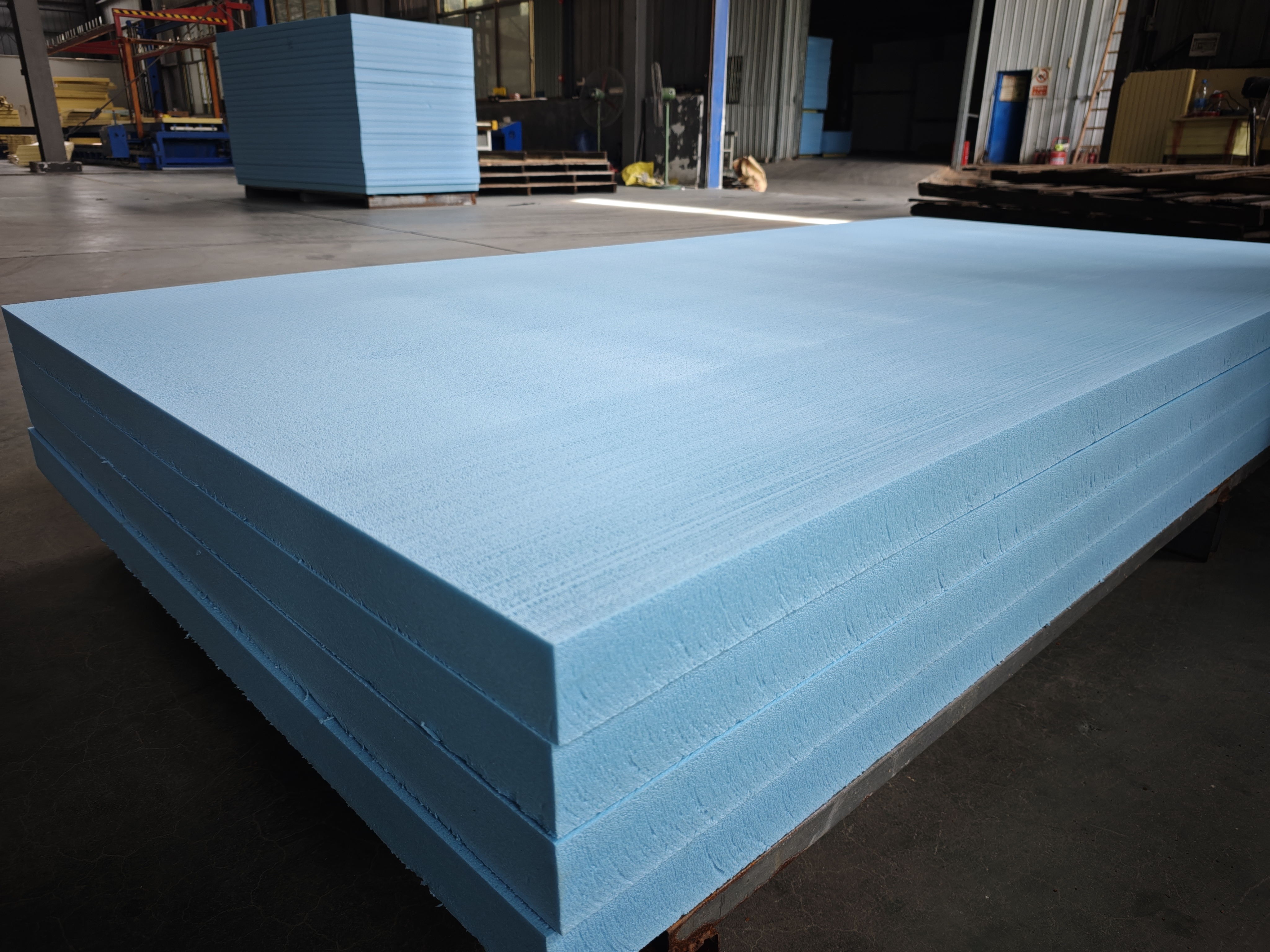
Quick answer: A custom board dimension is not a single number. It is a nominal size plus a tolerance, a thickness plus a tolerance, an edge profile and a surface that must suit the next trade. A drawing that gives only length and width hands the rest of those decisions to the factory, and tolerance is where most "it doesn't fit" complaints actually begin.
Start From the Assembly, Not the Board
The most common custom-dimension mistake is to design the board before designing the wall, floor or roof it belongs to. Boards are one layer in a build-up. Their size and thickness have to leave room for the fixing, the membrane, the adhesive, the tile or the render, and the substrate tolerance underneath.
So the first drawing a factory needs is not the board — it is a section through the assembly, with each layer's thickness named and the board's position marked. From that, the required board thickness is read off rather than guessed, and it becomes obvious whether the board is carrying load, providing continuous insulation, or acting as a waterproof substrate for tile.
The second drawing is a plan view of the area with dimension lines, showing where boards start, where joints fall and where openings, corners and transitions occur. This is what turns a size request into an installation plan, and it is the drawing that reveals whether a larger format would save joints or make handling worse.
The Measurements That Decide the Order
Length and width
Give nominal length and width in millimetres, and say which direction is which. On a rectangular board, a transposed dimension is a silent error that only appears on site. If the board has a decorative facing or a directional surface pattern, mark the orientation on the drawing as well.
Thickness
Thickness is almost always quoted as a nominal figure with a tolerance band. This matters most where thickness sets the finished level: a floor build-up with underfloor heating pipe, a wet-area wall where the tile face has to meet an adjacent plastered wall, or a renovation where the added thickness must clear a door frame or window reveal. Where the assembly is thickness-critical, say so explicitly, because a nominally 10 mm board at the top of its tolerance band will not behave like one at the bottom.
Edge profile
Square edge, shiplap, tongue-and-groove or a profiled interlock. Edge profile is not cosmetic: it decides whether joints can move, whether tape and jointing compound can bridge them, and whether the next trade's finish will show a line. State the profile you need and, if the joint must be sealed, state the sealing method too.
Surface
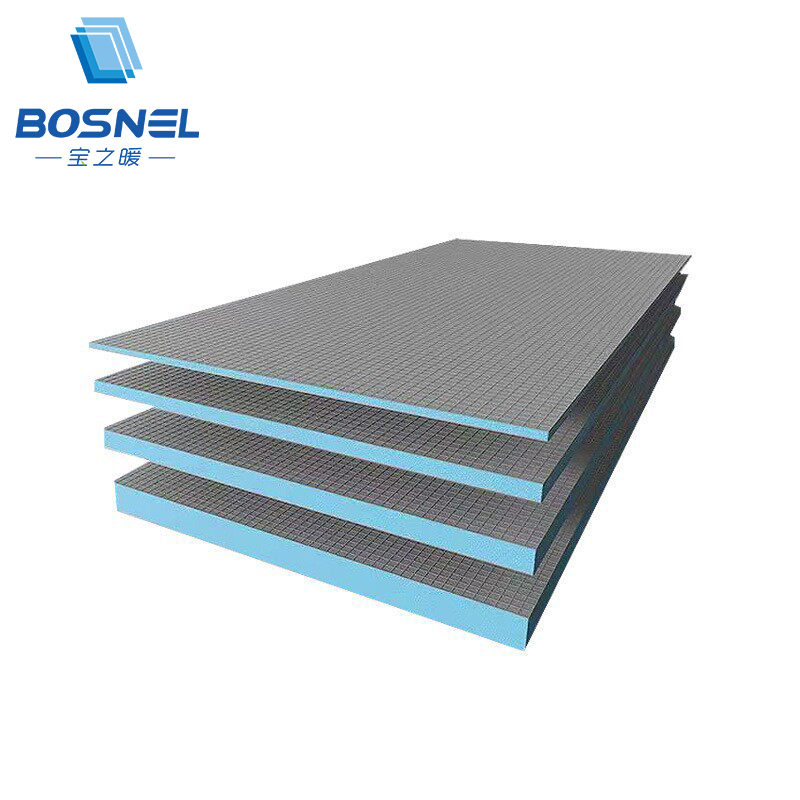
Smooth or textured, and for backer boards the coating type. A surface chosen for render adhesion is not the same surface that gives a good key for tile adhesive over a large format panel. If the board is laminated to a facing, name the facing and its thickness.

Writing Tolerances That Can Be Inspected
A tolerance is only useful if two people can measure it the same way and get the same answer. That means three things have to be written down: the nominal value, the allowed deviation, and the measurement method.
Give a band, not a word
"Accurate dimensions" is not a specification. "Length ±3 mm, width ±3 mm, thickness ±1 mm measured with a steel rule at mid-length and at both ends" is. The method matters because foam boards can be pressed at the edge, and a measurement taken at a compressed corner reads differently from one taken mid-board.
Separate what the process controls from what it cannot
XPS boards are produced by extrusion and then cut. Cutting tolerances are usually tight. Properties that depend on the foam itself — density variation across a board, minor surface undulation, subtle colour difference between batches — are controlled but not eliminated. Writing them as acceptable ranges rather than exact values keeps the specification honest and inspectable.
Say which dimensions are critical
Not every dimension carries the same consequence. On a wet-area backer board panel that must land between two studs, width is critical and length is not. On a floor insulation board, thickness governs the finished level while length and width can be trimmed on site. Mark critical dimensions with a different tolerance from non-critical ones, and inspection effort can then be aimed where it matters.
What Cut-to-Size Really Changes
Cut-to-size sounds like a simple value-add. In practice it changes four things at once, and buyers usually consider only the first.
Waste moves from site to factory
Pre-cutting shifts offcuts from the installation to the plant. That can be a real saving, because factory offcuts can sometimes be recovered for another order while site offcuts go in a skip. But the order quantity has to be calculated from the cut plan, not from the area, or the waste simply reappears as shortage.
Edge treatment has to be decided
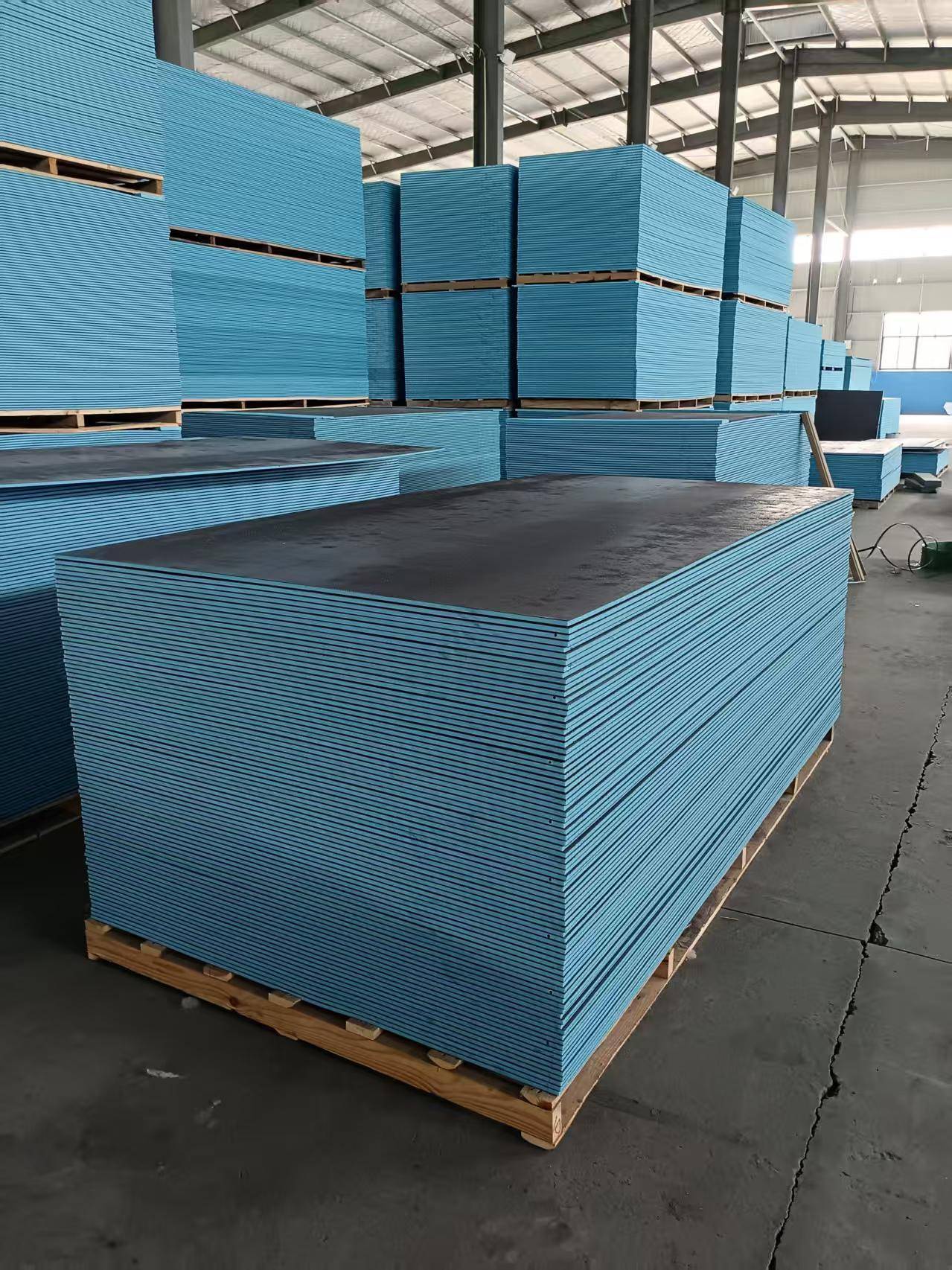
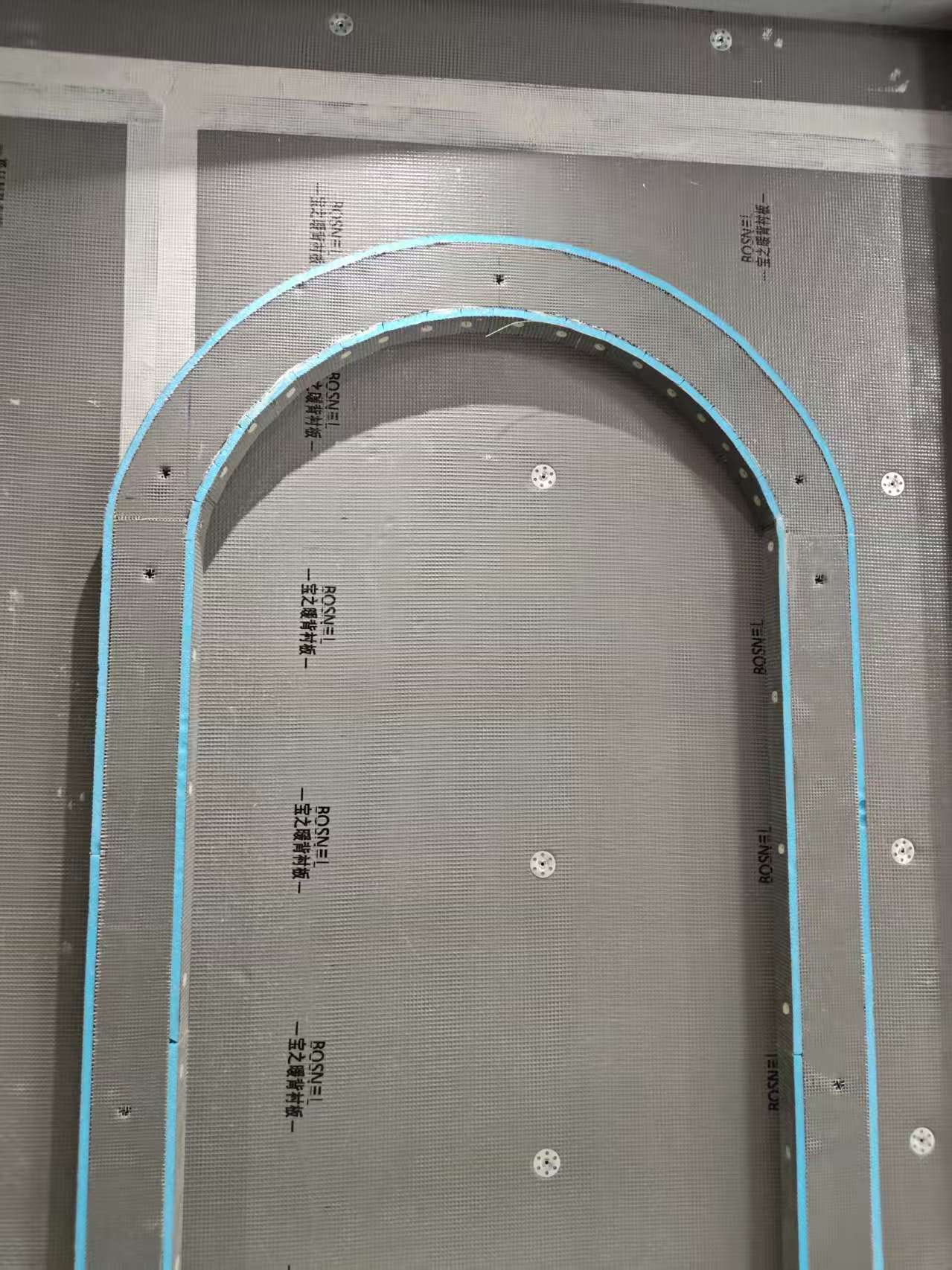
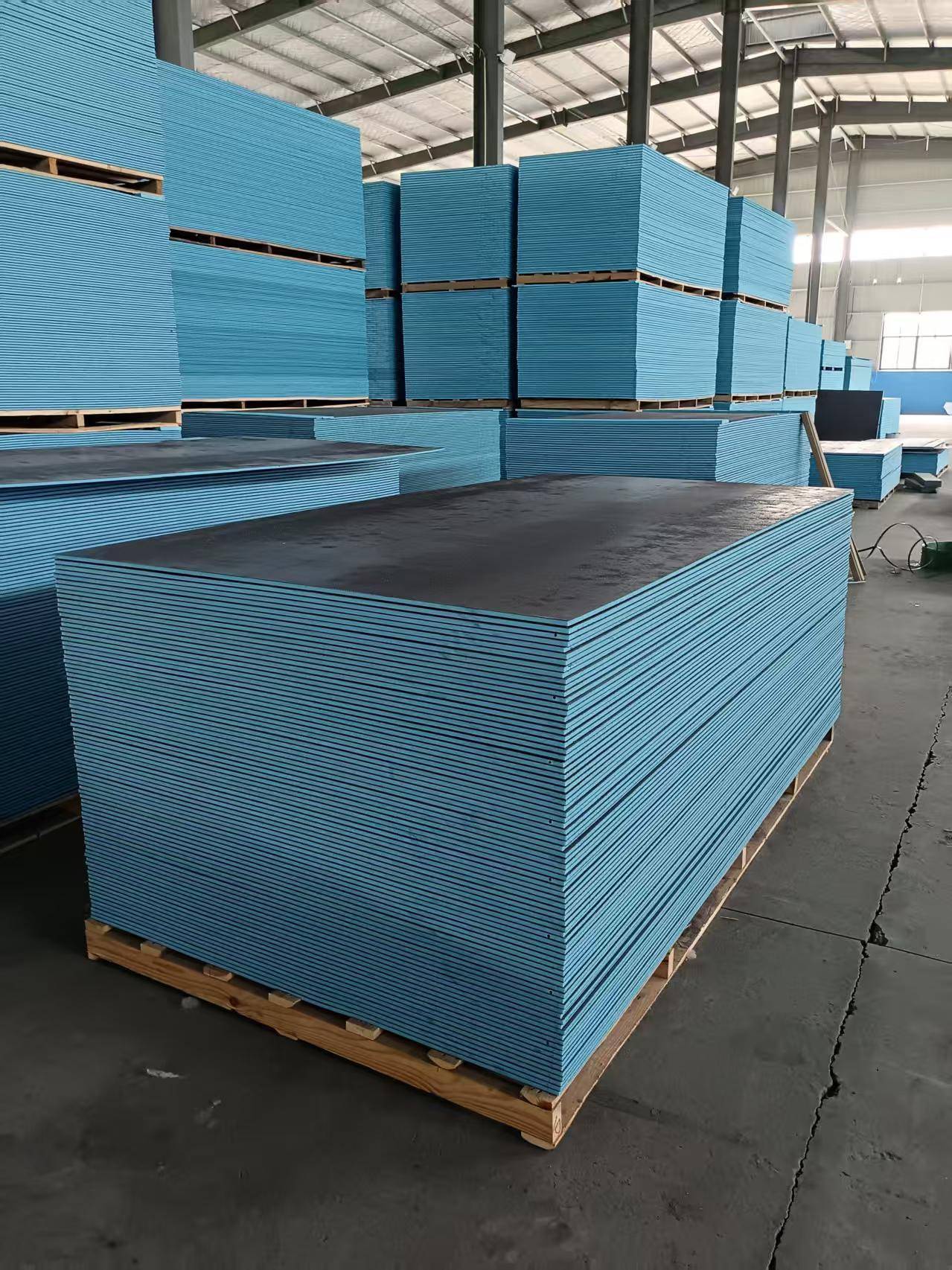
A factory cut edge is not automatically a finished edge. If the panel is visible, or if the joint will not be covered, the edge treatment becomes part of the specification. This is especially true for integrated insulated tile panels, where the edge shows the full layer stack and must be closed or trimmed into a profile.
Handling and breakage change
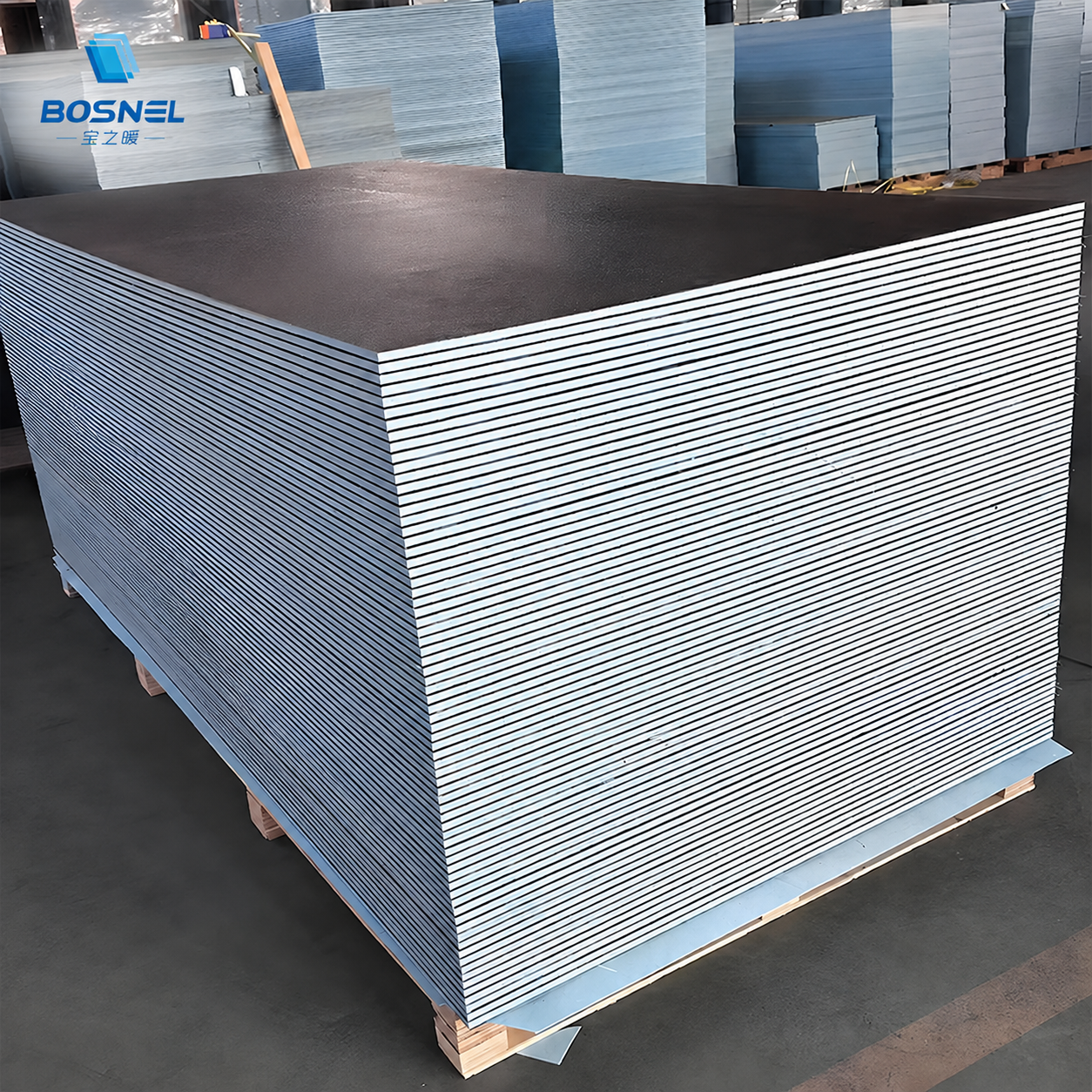
Large formats cover area efficiently, but every additional handling step is a chance to damage a corner or a coated face. Small cut pieces can be handled more easily but multiply the number of pieces per bundle and the packing complexity. The right answer depends on who is installing and how the material reaches the floor.
The loading plan changes
Container loading is planned around the final board dimensions and package configuration. A cut plan that produces one unusual size can leave voids in a container that a standard format would have filled, and the freight cost per square metre moves accordingly. Ask for the loading plan to be re-checked whenever the cut plan changes.
Buyer Checklist
- Send an assembly section, not only a board size
- Send a plan view showing joints, openings and transitions
- Mark length and width orientation on the drawing
- Say whether thickness is a finished-level-critical dimension
- State the edge profile and the joint sealing method
- Name the surface and, if laminated, the facing and its thickness
- Write nominal value, deviation and measurement method for each tolerance
- Mark which dimensions are critical and which can be trimmed on site
- Calculate quantity from the cut plan, not from the area alone
- Have the container loading plan re-checked after any change
Buyer FAQ
Can I order several thicknesses in one shipment?
Usually yes, but every additional thickness adds a production and packing variable. Group the request by assembly so the factory can plan a sensible batch sequence.
Is cut-to-size always cheaper than cutting on site?
Not always. It depends on the cut plan, the recovery rate of offcuts, freight and how much skilled labour is available on site. Compare the total installed cost, not the board price.
What should I do if boards arrive with damaged corners?
Record it at unloading with photographs, note it on the delivery documents and separate the affected pieces. Corner protection and palletisation are part of the packaging specification for exactly this reason.
Can the edge profile be changed after the order is confirmed?
Edge profiling is set up with the production run. A late change affects tooling and output, so confirm the profile with the drawing approval.
How do I set a tolerance if I do not know what my installation can absorb?
Work backwards from the tightest joint or transition in the assembly and derive the tolerance from that. If the required tolerance is tighter than the process can hold, the assembly needs redesigning rather than the specification tightening.
Related Baozhinuan Products
See the XPS foam board range for standard and custom formats, the 2440 × 1220 × 10 mm XPS backer board for a large-format example, the tile backer board range and the XPS insulated tile composite panel where the edge detail carries the full layer stack. For the process around a custom order, read how Baozhinuan handles custom XPS and tile backer board requests.
Send a Drawing for Review
Include the assembly section, the plan view, nominal dimensions with tolerances, edge and surface requirements, estimated quantity, destination and delivery window. Baozhinuan will review the drawing and flag any dimension or tolerance that cannot be produced as drawn before a quotation is issued.
Submit Your RFQReference resources: U.S. Department of Energy insulation guidance, ISO standards information and U.S. OSHA. Project requirements should be verified using current official sources.