Quick answer: A private-label specification is not a name and a logo. For an OEM insulation board it has to describe the board's grade and performance, its dimensions and tolerances, its surface and edge, and the label and package that will carry your brand. If a line in that document cannot be measured or inspected, it does not belong in a purchase order.
Why the Label Is the Smallest Part
Most private-label enquiries arrive as a photo of a competitor's board, a logo file and a target price. That is enough to start a conversation and nowhere near enough to start production. The label is a printing job; the board underneath it is an engineering and quality-control job, and it is the part that decides whether the container you receive is saleable.
Two buyers can ask for the "same" 50 mm XPS board and receive boards that behave very differently on site, because thickness is a nominal figure, compressive strength is a grade from a range, and surface treatment changes how adhesive and render grip. An OEM programme that names only the thickness and the print has left the other variables to the factory's default.

The Four Blocks of a Board Specification
A workable OEM document splits cleanly into four blocks. Keep them separate, because they are confirmed by different people and they fail in different ways.
Block 1 — Product type and construction
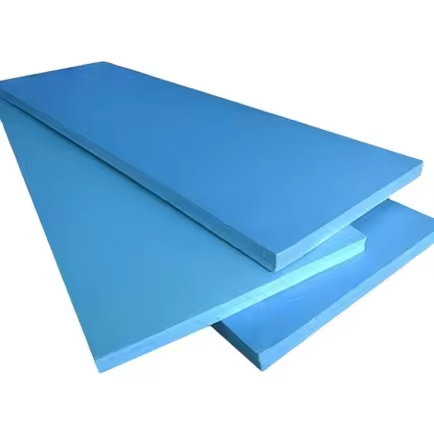
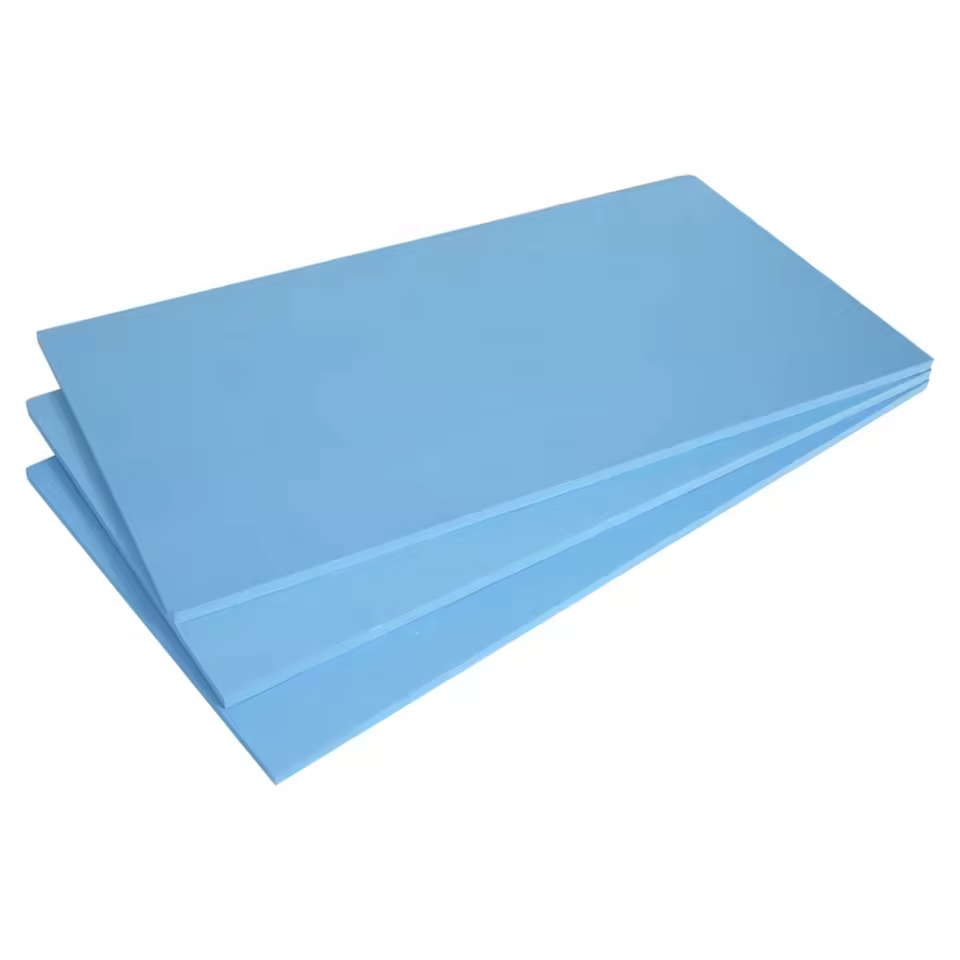
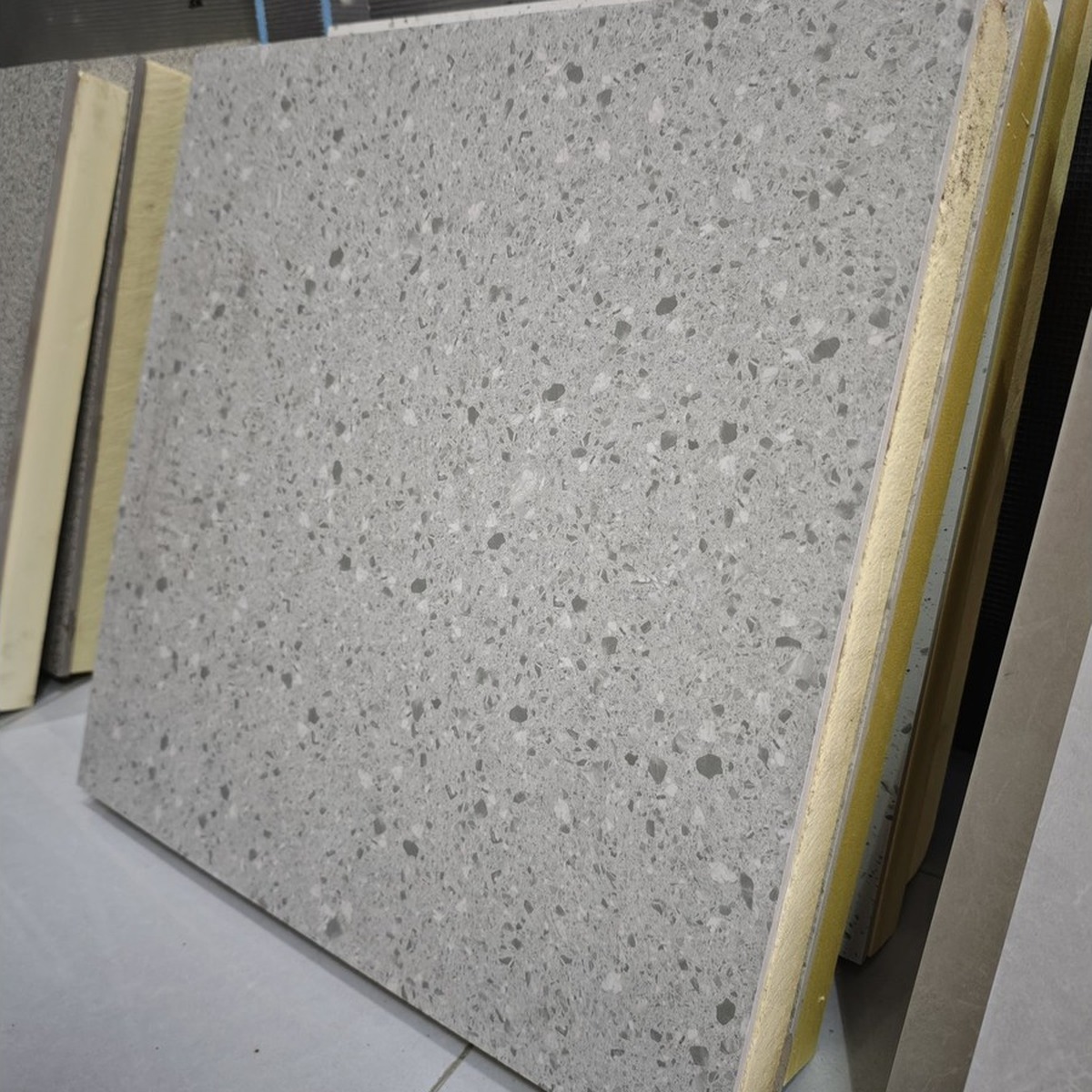
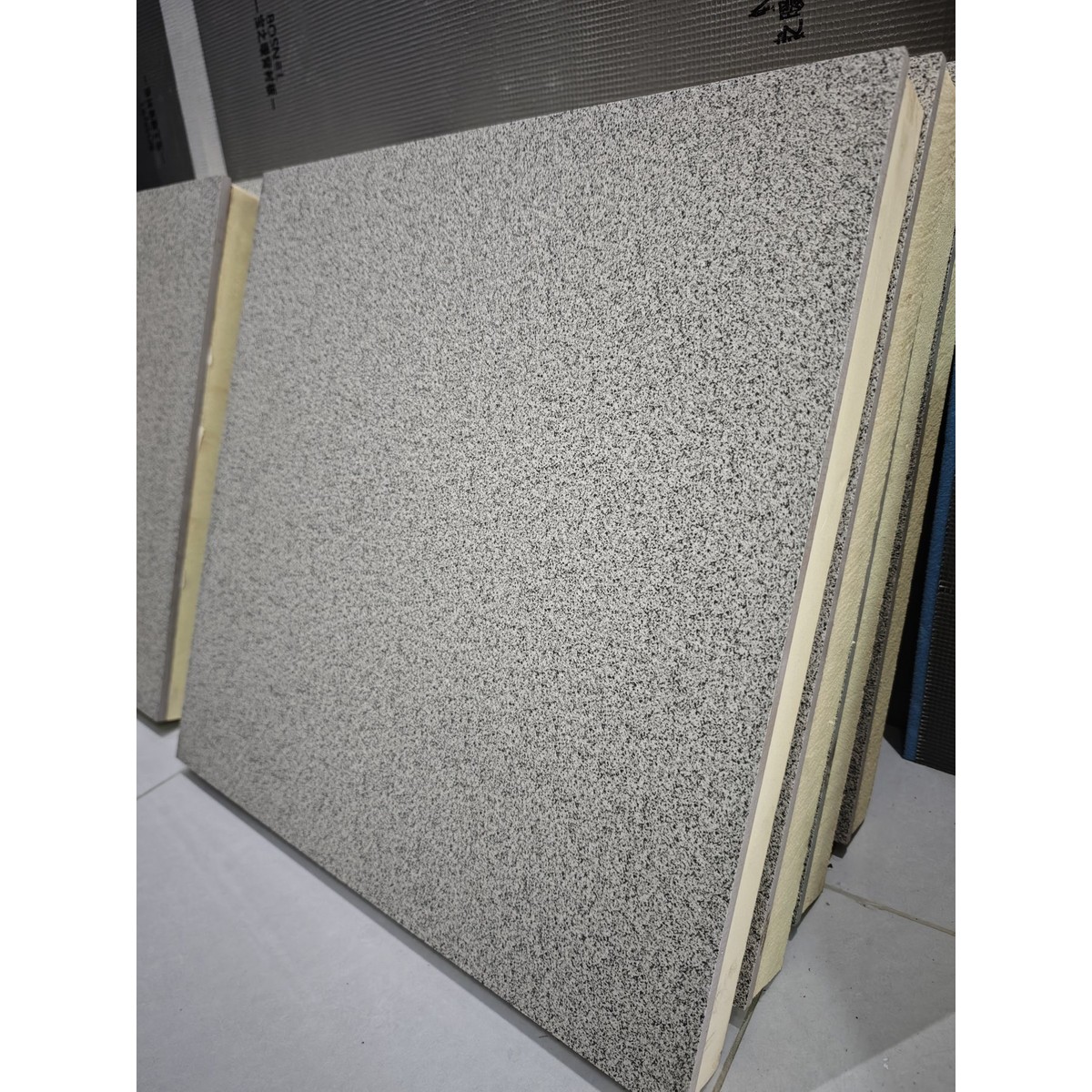
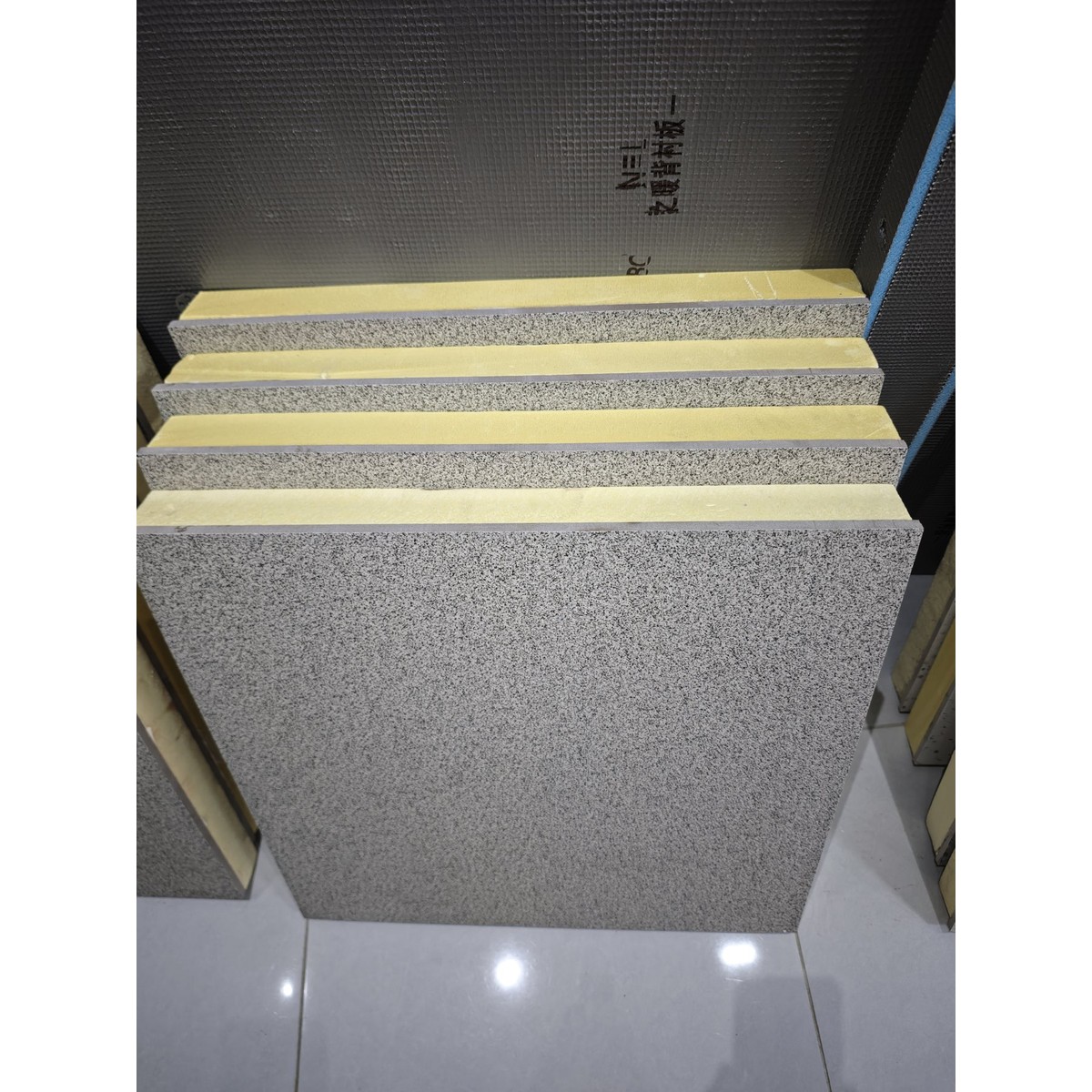
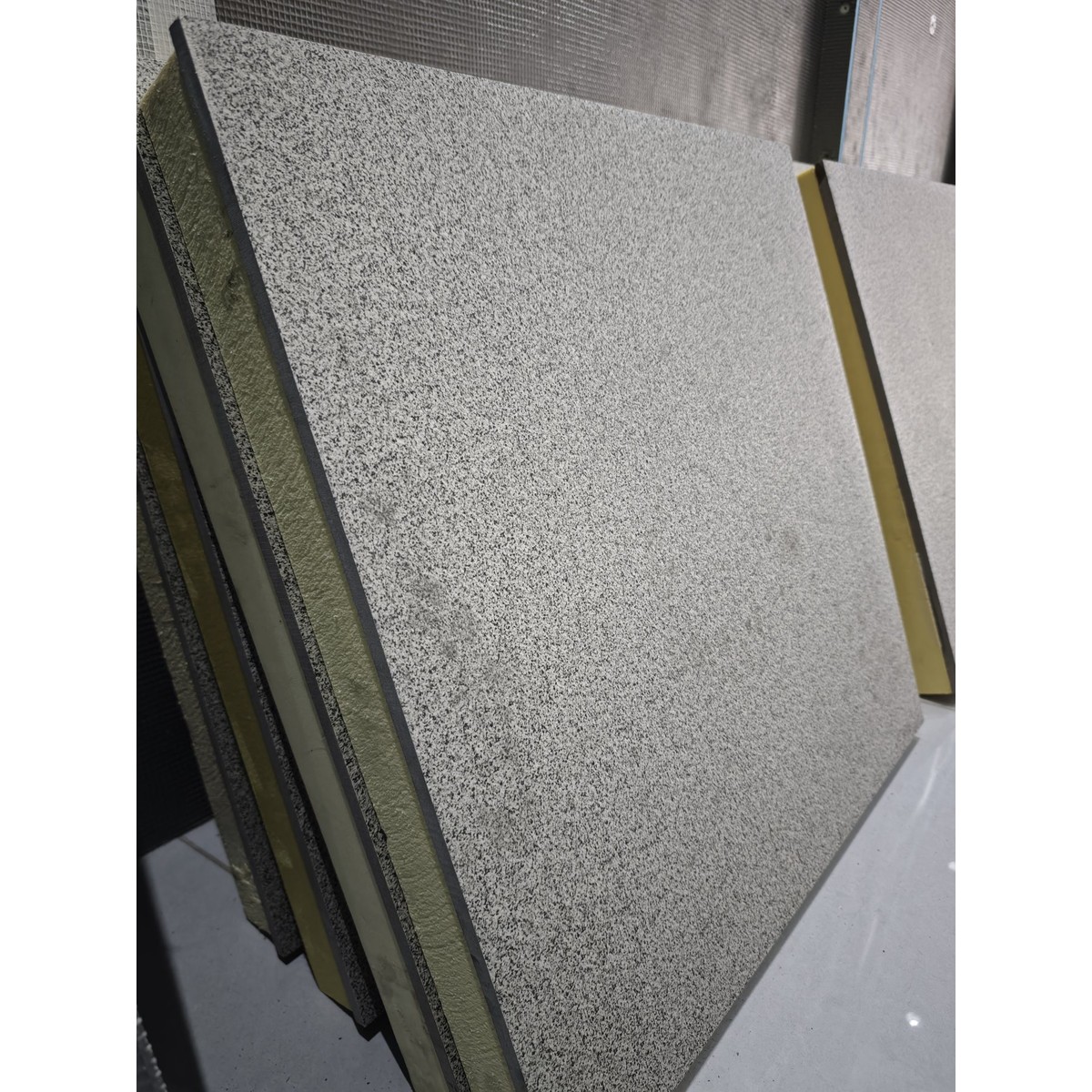
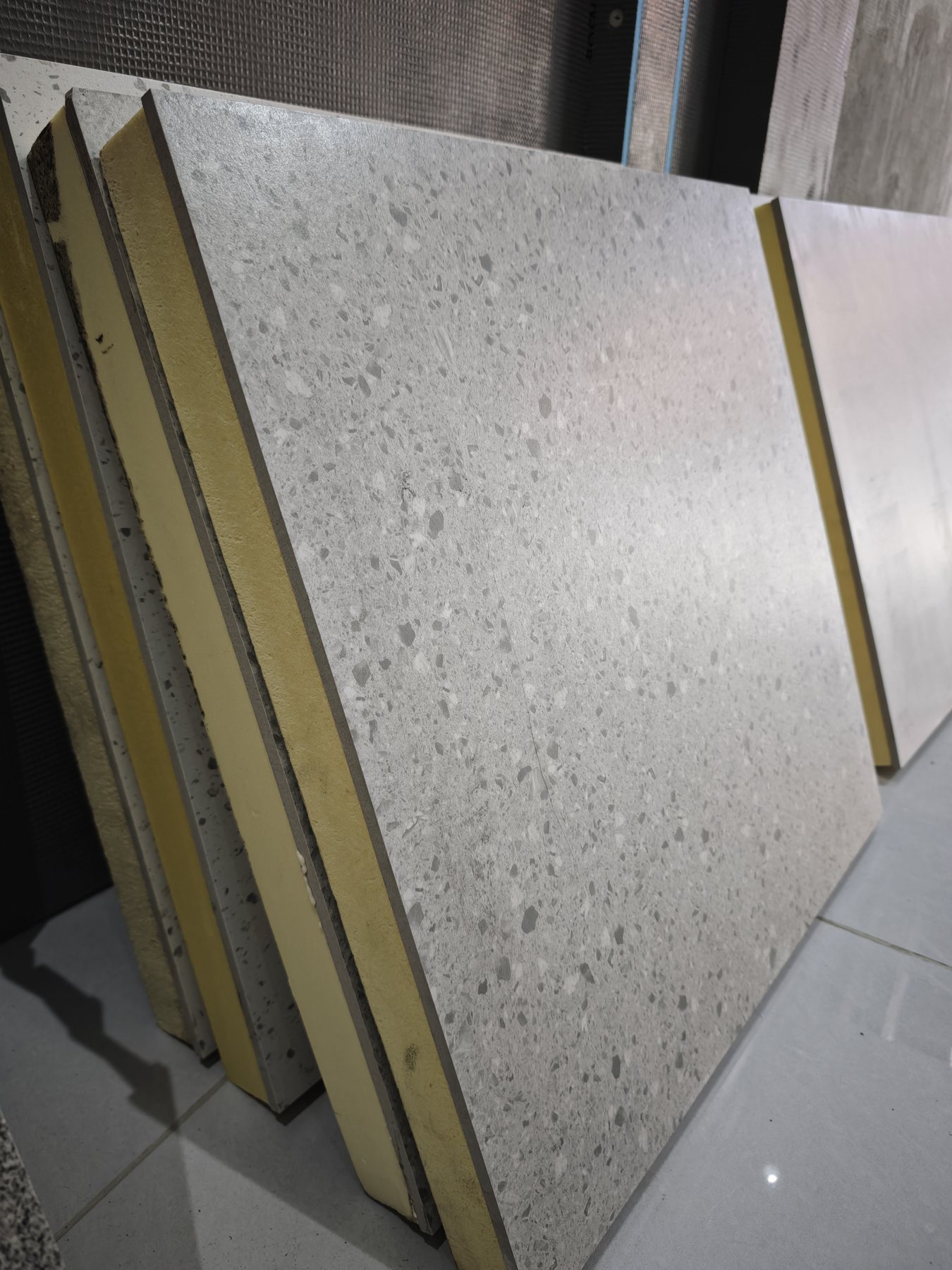
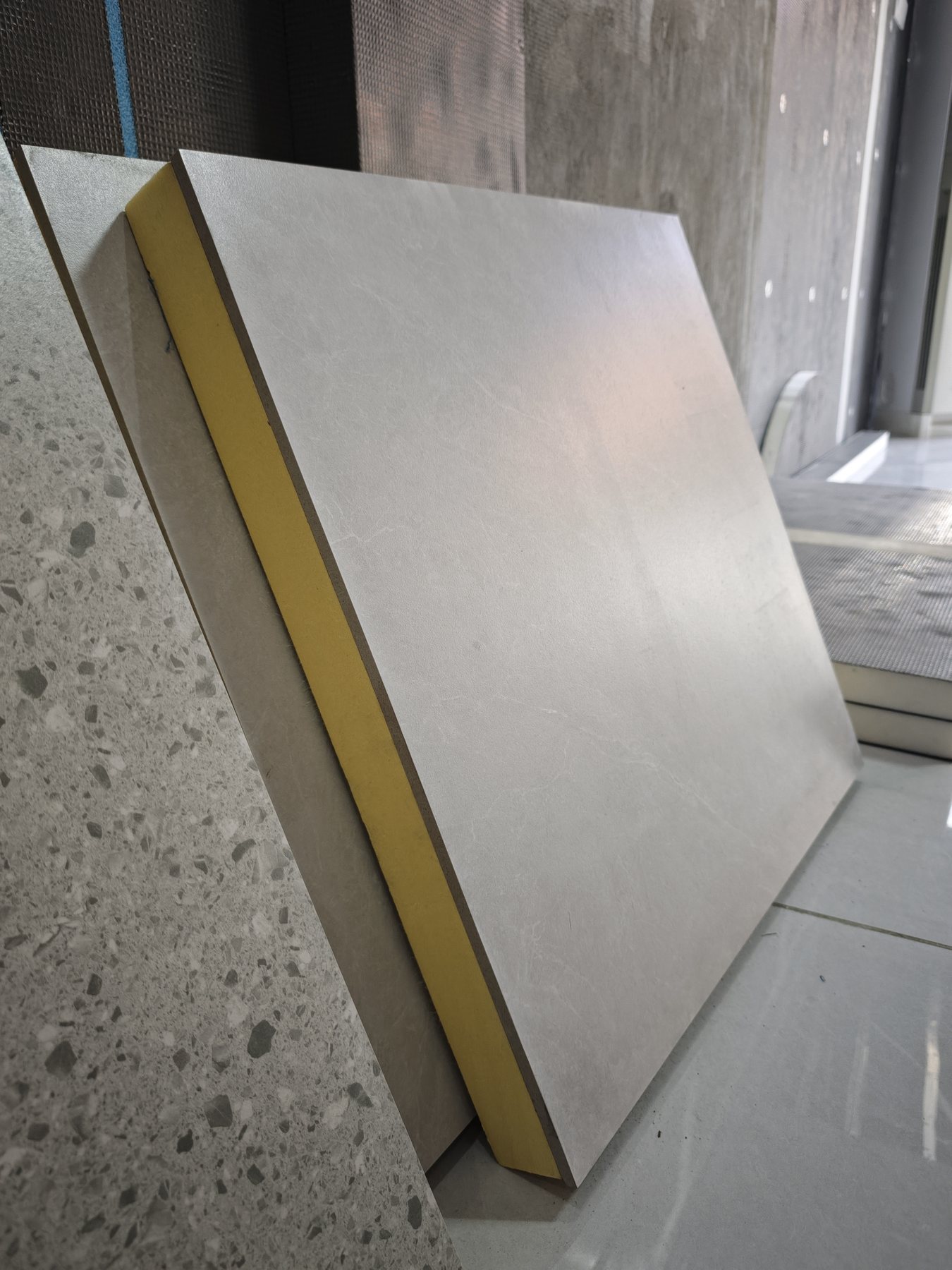
State whether the item is a plain XPS insulation board, a waterproof tile backer board, an XPS board laminated to a facing, or an integrated insulated tile panel with a decorative surface and a protective inorganic layer. These are different products with different failure modes. The integrated panel, for example, is a factory-laminated build-up of decorative facing, inorganic protective layer, bonding and waterproof layers, and an XPS core, so the specification has to describe the layer stack, not just the foam.
Block 2 — Performance grade
Ask for the property values that matter to your assembly and require them to be tied to a test method. Reference values published for the passive-house grade XPS board give an idea of what a complete grade looks like: thermal conductivity of ≤0.030 W/(m·K), compressive strength selectable from 150 to 700 kPa by application, water absorption ≤1.5%, density 22–40 kg/m³, dimensional stability ≤1.5% and tensile strength ≥0.2 MPa, with B1 or B2 fire-performance options. Those numbers are grade-dependent, not fixed, so the specification must say which grade you are buying rather than quoting the best figure in the range.
Block 3 — Dimensions, tolerances and geometry
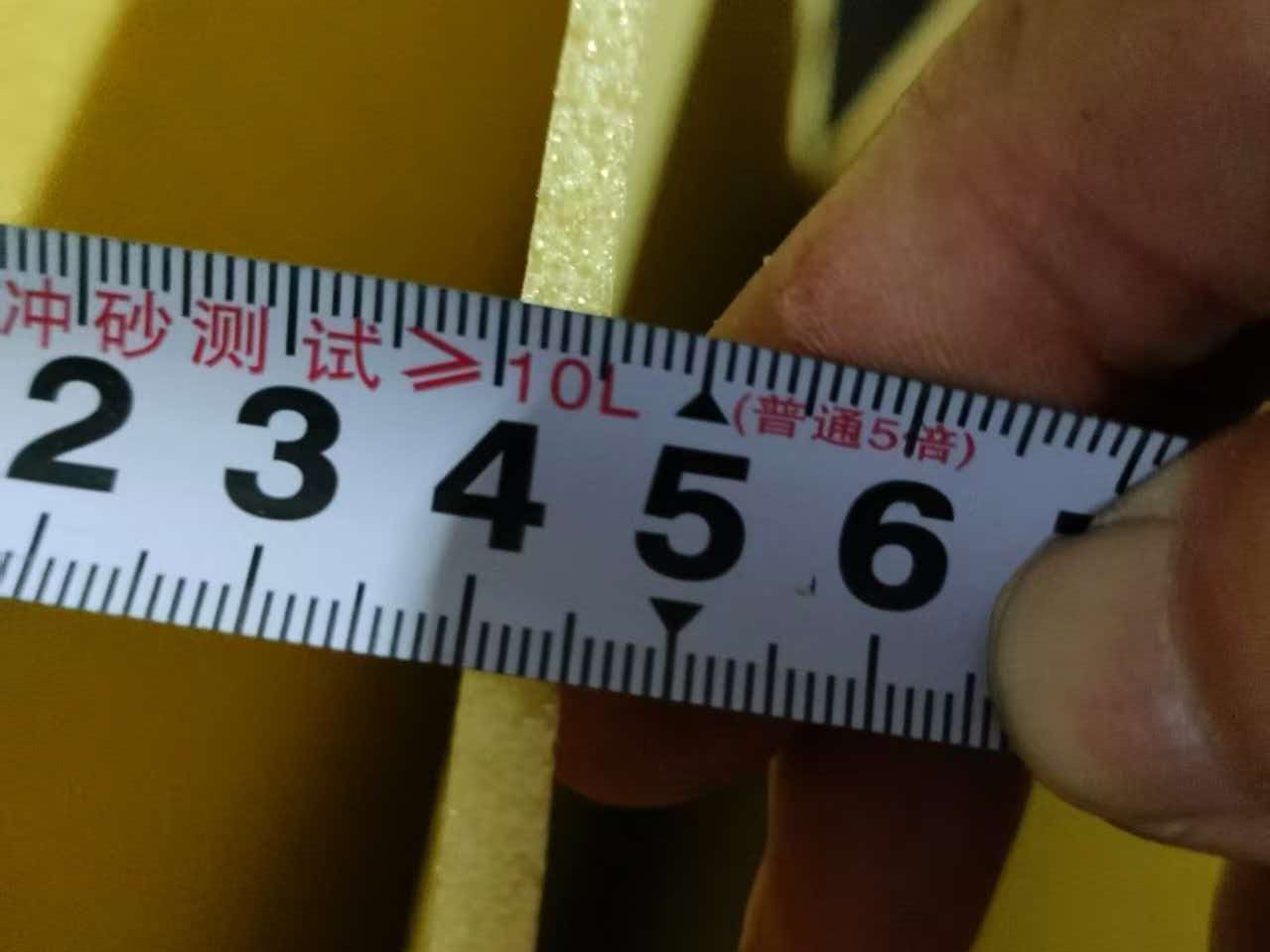
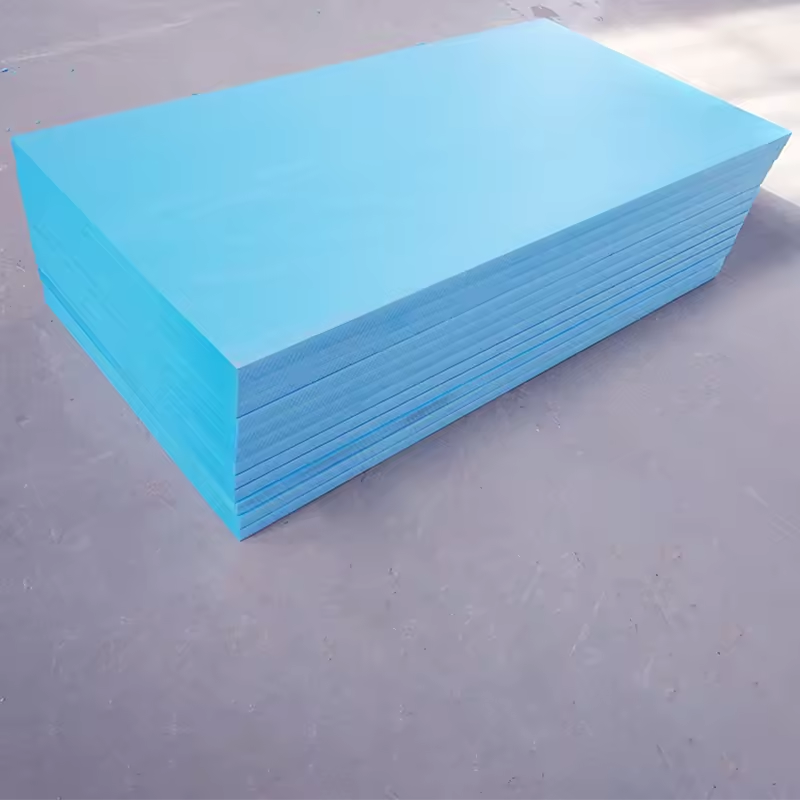
Length, width, thickness and the tolerance you will accept on each. Then the geometry: square or profiled edge, cut-to-size or full format, and whether boards must interlock. A large format such as 2440 × 1220 mm reduces the number of joints in a wall or floor, but it also changes handling, breakage risk and container loading, so format and packaging have to be decided together.
Block 4 — Surface, marking and packaging
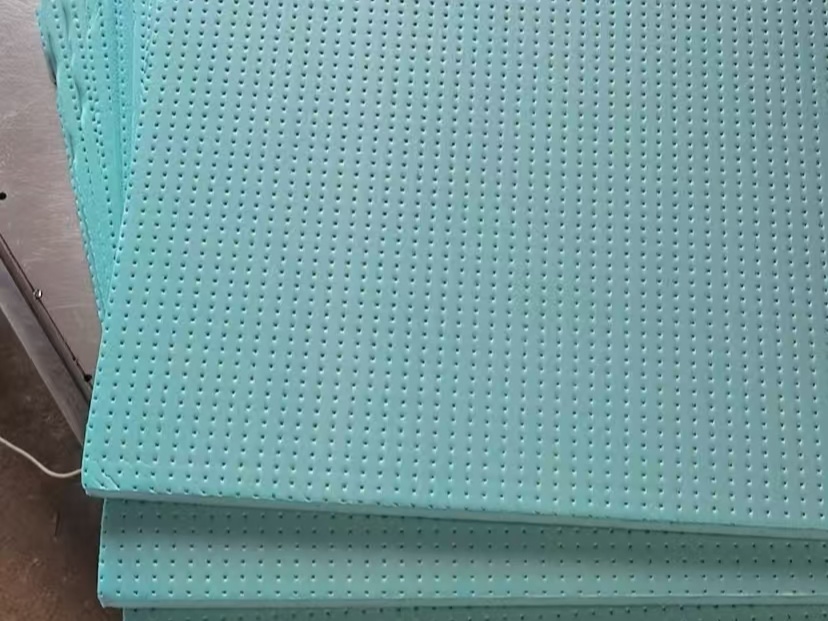
Surface means smooth or textured, and for backer boards it means the coating that tiles or render will bond to. Marking means what is printed on the board face, if anything, and what appears on the label. Packaging means bundle count, film, corner protection, palletisation and the private-label artwork itself.
Writing the Label and Package Section
This is where most private-label projects actually go wrong, and almost never because of print quality. Artwork supplied late, a barcode that will not scan at the buyer's warehouse, or a label that omits the batch reference can each hold a container or force a rework.
Artwork control
Supply print-ready files with fonts outlined, colours specified for the printing method used, and a stated dieline if the label is die-cut. Ask for a printed proof on the actual substrate before the run. Approve the proof in writing and attach it to the purchase order, so the printer, the factory and your receiving team are all working from the same approved version.
Data on the label
Decide which fields are fixed and which are variable. Product name, your brand, dimensions, grade, batch or production code, production date, quantity per bundle, handling symbols and the country of origin all need a decision before printing plates are made. If your market requires a specific language set or a legal entity name on the package, add it to the specification rather than assuming it will be handled.
Package and loading
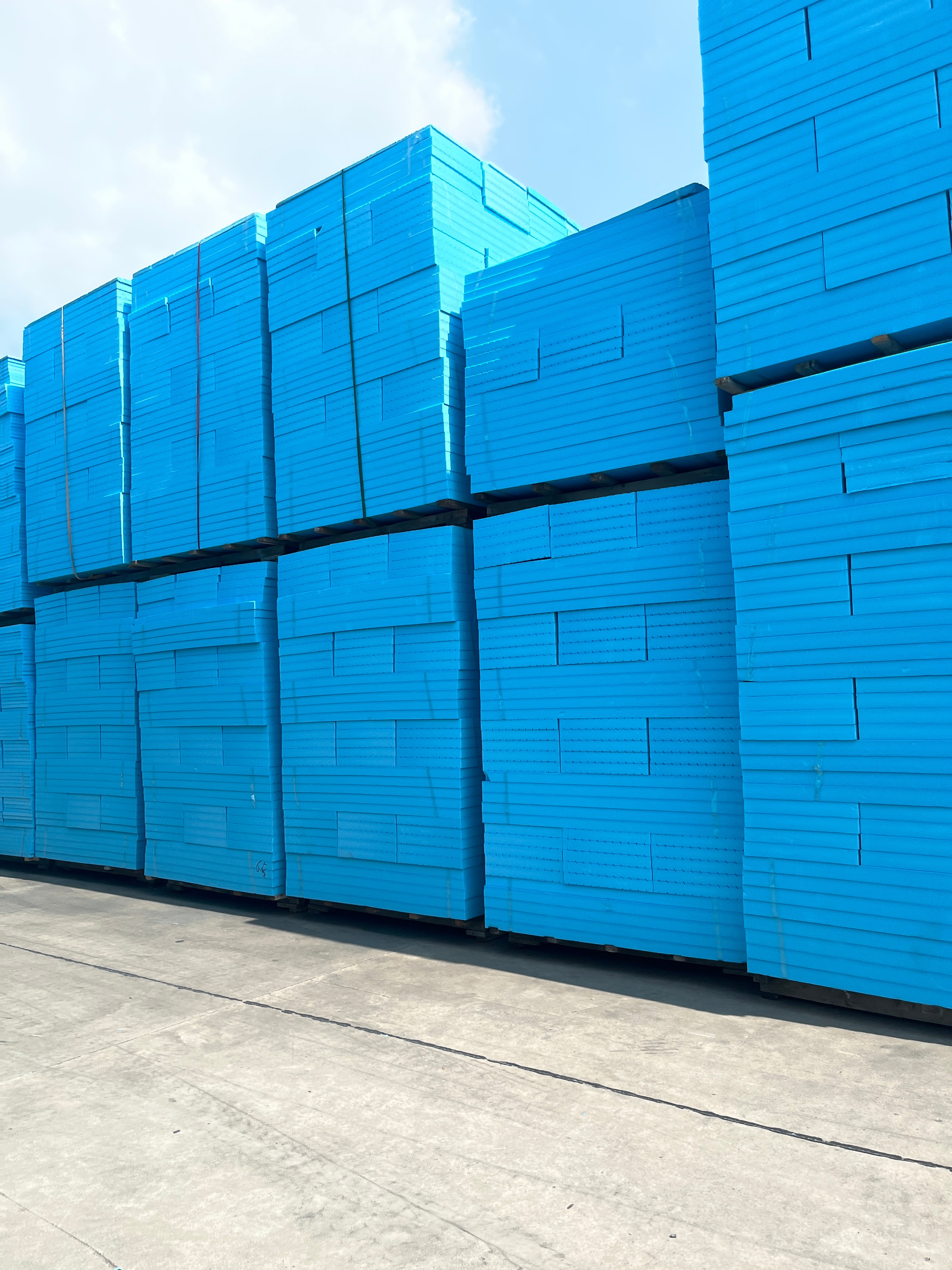
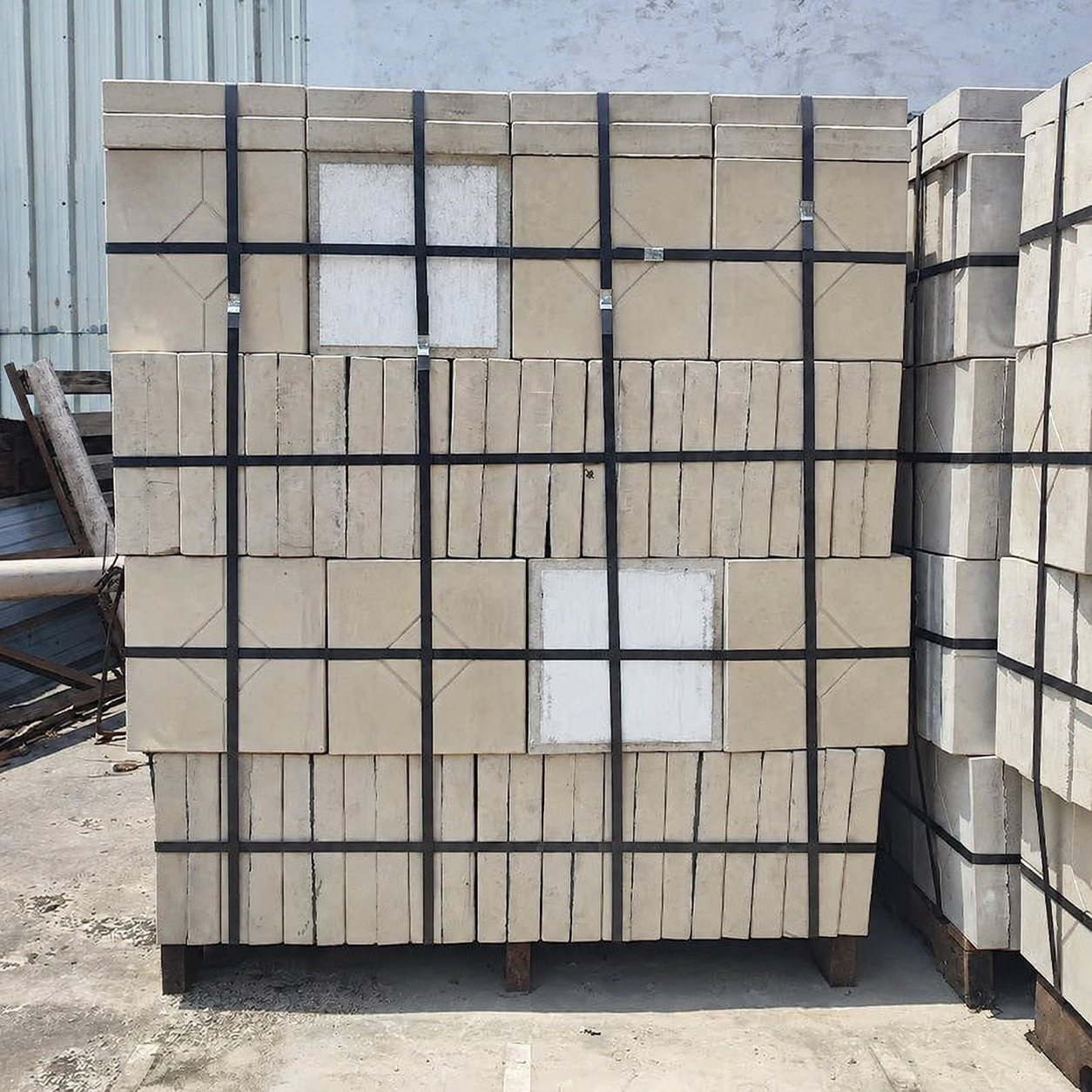
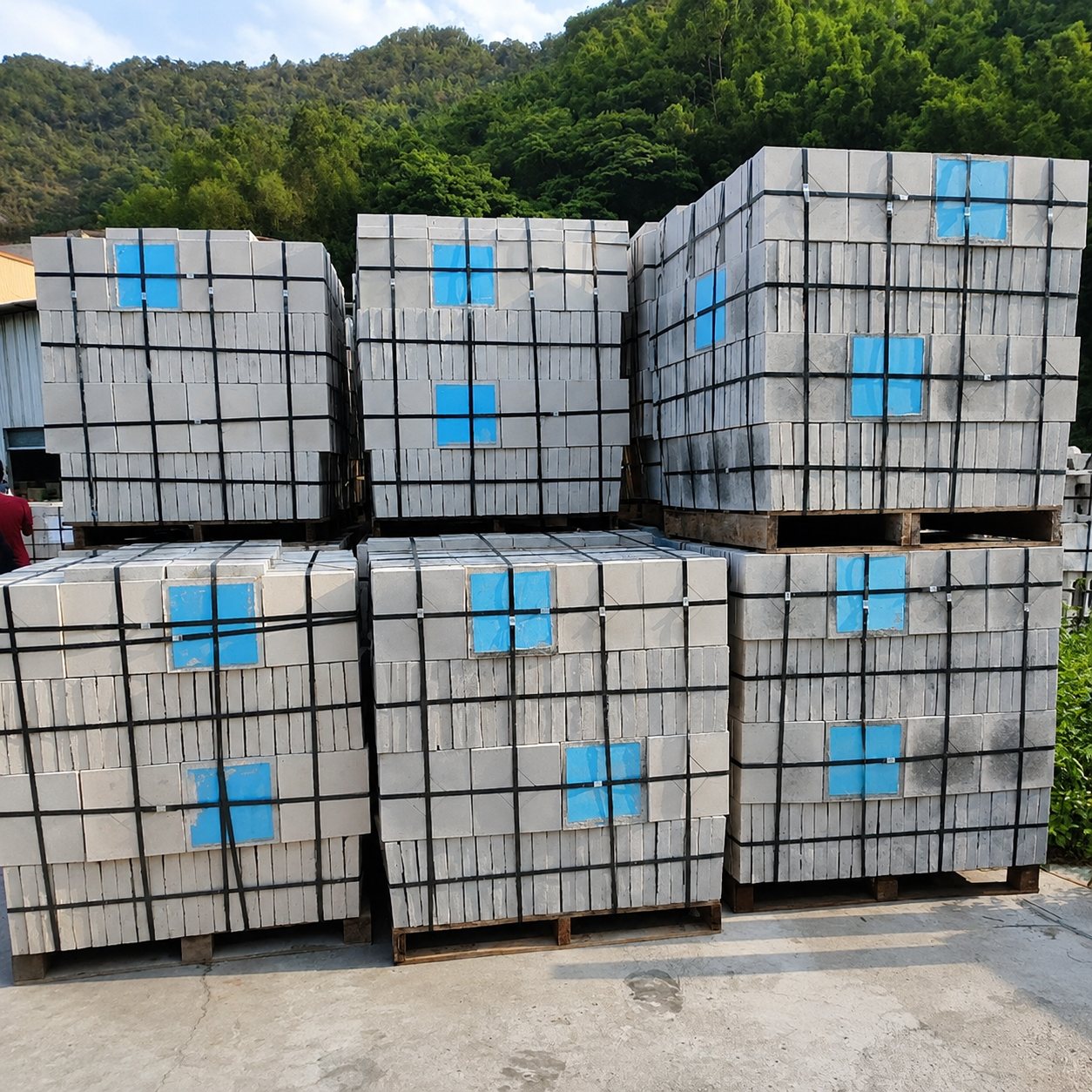
Boards can be bundled and protected with film, labels, corner protection or palletised export packing according to size and transport method. Container loading is planned around the final board dimensions and package configuration, so a late change of format or bundle count can change how much fits in a 40 ft container. Fix the packing plan early and treat changes as a re-quotation, not an adjustment.
What to Leave Open, and Why
A good specification is not maximally detailed; it is detailed exactly where the risk is. Three areas are often better left as agreed ranges than as fixed figures.
Colour
XPS foam colour varies with the formulation and, for graphite-enhanced boards, with the additive. A printed colour target is reasonable; a pantone match on foam is usually not. State the acceptable visual range and check it against a retained physical sample.
Minor dimensional variation
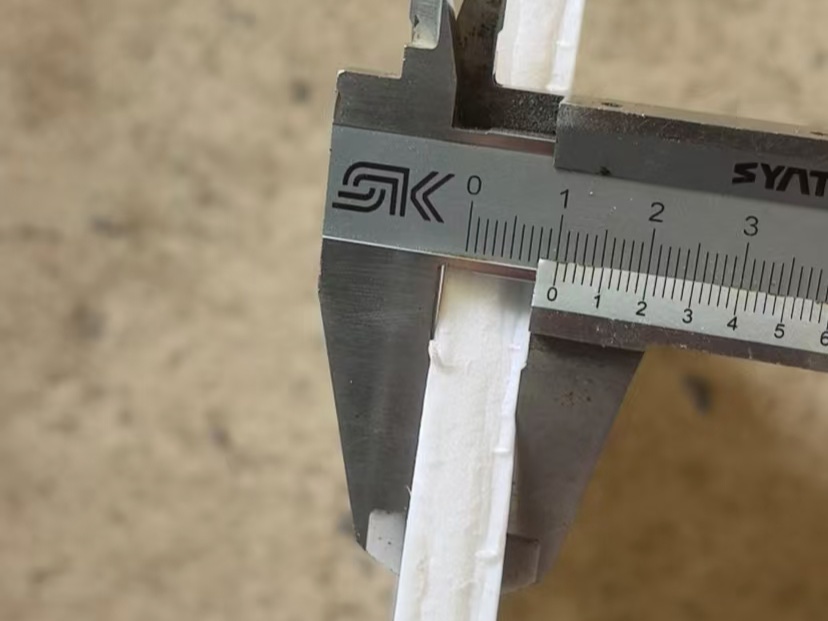
Foam boards are cut, not machined to a mirror finish. Set a tolerance band that reflects what your installation can absorb, then inspect against that band. A specification demanding tolerances the process cannot hold will simply produce disputes.
Inspection scope and third-party testing
Routine factory controls can cover raw-material verification, board dimensions, thickness, density, surface condition, edge quality, compressive performance and packing identification. Whether you also need third-party testing, and against which standard, is a commercial decision that should be named in the document. Inspection scope and any required third-party testing should be agreed against the final specification before mass production.

Buyer Checklist
- Name the product type and full layer construction, not just the foam
- Pick one performance grade and state the test methods behind each value
- Fix length, width, thickness and an inspectable tolerance on each
- State edge profile and whether boards are cut to size
- Define surface treatment and the substrate it must accept
- Approve printed artwork on the real substrate, in writing
- List every variable label field, including batch and origin
- Fix bundle count, palletisation and container loading plan
- Agree inspection scope and any third-party test requirement
- Record a revision number on the specification itself
Buyer FAQ
Can I use my own brand on the board face, not just the label?
Board-face marking can be reviewed for compatible OEM programmes, but it depends on the surface treatment and the marking method. Confirm it on a sample before committing to a production run.
Is one grade enough for a whole project?
No. Compressive strength is normally selected by application, so a floor or below-grade assembly may need a different grade from a wall. Specify grade per application rather than one grade for the whole order.
Can dimensions be changed after the order is placed?
A change to dimensions, format or bundle count affects tooling, packing and container loading. Treat it as a new quotation and confirm the revised delivery schedule.
Do you supply technical documents with a private-label order?
Technical data and available test documents are provided for the final confirmed product configuration. Ask for the specific documents your market requires at the quotation stage.
What is the minimum order quantity for a private label run?
MOQ depends on the board specification, artwork setup, packaging and the production-efficient batch size. It cannot be quoted meaningfully before those are defined.
Related Baozhinuan Products
Review the XPS foam board range, the tile backer board range and passive house XPS insulation board for the grades referenced above. Buyers preparing a programme may also want to read how Baozhinuan handles custom XPS and tile backer board requests and the buyer checklist for evaluating Baozhinuan insulation products.
Request a Specification Review
Send the product type, required performance grade, dimensions and tolerances, surface and edge requirement, artwork status, packaging plan, estimated quantity and destination market. Baozhinuan will review the information and identify which details must be confirmed before a private-label quotation can be issued.
Submit Your RFQReference resources: U.S. Department of Energy insulation guidance, ISO standards information and U.S. OSHA. Project requirements should be verified using current official sources.